Rajasthan Heritage Tourism: A Timeless Journey Through Royal India

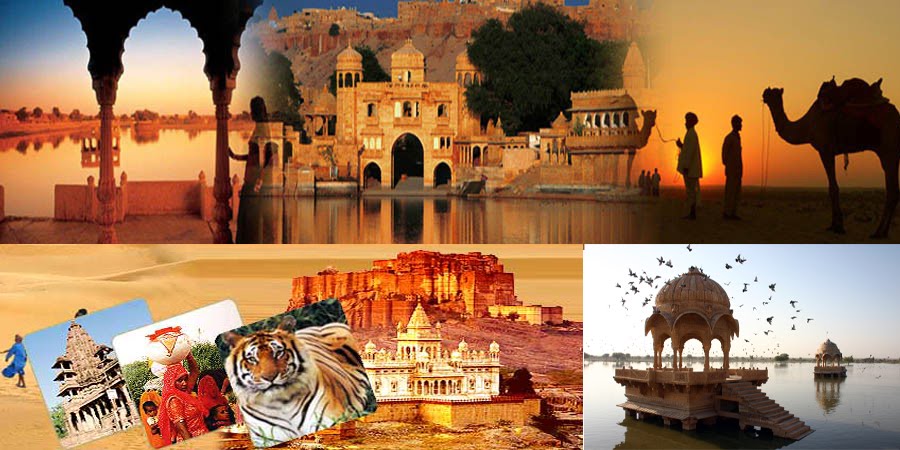
Rajasthan, the “Land of Kings,” stands as one of India’s most captivating heritage destinations. Known for its grand forts, opulent palaces, vibrant traditions, and desert landscapes, Rajasthan heritage tourism offers travelers a deep and immersive journey into India’s royal past. Every city, monument, and festival in Rajasthan reflects centuries of history, valor, art, and cultural richness, making it a paradise for heritage enthusiasts.
Heritage tourism in Rajasthan is not merely about visiting monuments; it is about experiencing the lifestyle, traditions, and legacy of a region shaped by Rajput valor and royal grandeur. From bustling cities to remote desert villages, Rajasthan preserves its heritage with pride and authenticity.
Majestic Forts and Palaces
The forts and palaces of Rajasthan are the crown jewels of its heritage tourism. Jaipur’s Amber Fort, Jodhpur’s Mehrangarh Fort, Jaisalmer Fort, and Chittorgarh Fort stand as powerful symbols of Rajput bravery and architectural brilliance. Built atop hills and cliffs, these forts once served as strategic strongholds and royal residences. Today, they offer visitors breathtaking views, intricate carvings, expansive courtyards, and fascinating stories of battles and dynasties.
Palaces such as the City Palace in Jaipur and Udaipur’s Lake Palace showcase the luxurious lifestyle of the maharajas. With their ornate halls, mirror work, and elegant gardens, these palaces provide a glimpse into royal life and artistic excellence that defined Rajasthan for centuries.
Heritage Hotels: Living the Royal Experience
One of the most distinctive aspects of Rajasthan heritage tourism is the opportunity to stay in heritage hotels. Former palaces, forts, and havelis have been transformed into luxury hotels, allowing travelers to experience royal hospitality firsthand. Properties like Umaid Bhawan Palace in Jodhpur, Mandawa Fort, and various heritage havelis across Shekhawati offer an unmatched blend of history and comfort.
Staying in a heritage hotel is not just accommodation—it is an experience that includes traditional decor, cultural performances, royal cuisine, and personalized service. These hotels help preserve historical structures while promoting sustainable tourism.
Cultural Traditions and Folk Art
Rajasthan’s heritage extends beyond architecture into its living traditions. Folk music and dance forms such as Ghoomar, Kalbeliya, and Bhavai bring stories of the past to life through rhythm and movement. Colorful attire, intricate jewelry, and traditional turbans add visual vibrancy to everyday life.
Handicrafts play a significant role in Rajasthan heritage tourism. From blue pottery of Jaipur and miniature paintings of Udaipur to block-printed textiles, leather goods, and silver jewelry, Rajasthan’s crafts reflect the creativity and skills passed down through generations. Exploring local markets and artisan villages allows travelers to connect directly with this cultural heritage.
Historic Cities and Desert Settlements
Each city in Rajasthan offers a unique heritage experience. Jaipur, the Pink City, blends royal history with planned urban design. Udaipur enchants visitors with its lakes and romantic palaces. Jaisalmer, the Golden City, rises from the Thar Desert like a mirage, showcasing sandstone architecture and desert traditions. Jodhpur, the Blue City, captivates with its imposing fort and old-town charm.
Desert villages around Jaisalmer and Bikaner provide insight into rural heritage. Camel safaris, traditional meals, and folk performances in desert camps allow travelers to experience the simplicity and resilience of desert life.
Festivals and Celebrations
Festivals are an essential part of Rajasthan heritage tourism. Events like the Pushkar Camel Fair, Jaipur Literature Festival, Desert Festival of Jaisalmer, and Teej and Gangaur celebrations showcase Rajasthan’s cultural vibrancy. These festivals combine music, dance, rituals, and local traditions, offering visitors a chance to witness heritage in motion.
Preservation and Sustainable Tourism
Rajasthan has made significant efforts to preserve its heritage through restoration projects and responsible tourism practices. By promoting heritage tourism, the state supports local communities, artisans, and conservation initiatives. Travelers are encouraged to respect cultural norms, protect historical sites, and contribute to sustainable tourism development.



0 comments:
Post a Comment