Thursday, 12 March 2026

Published 5:25:00 am by with 0 comment

Discover the Royal Desert City of Bikaner Rajasthan


https://bikanertour.com

https://bikanercarrental.com

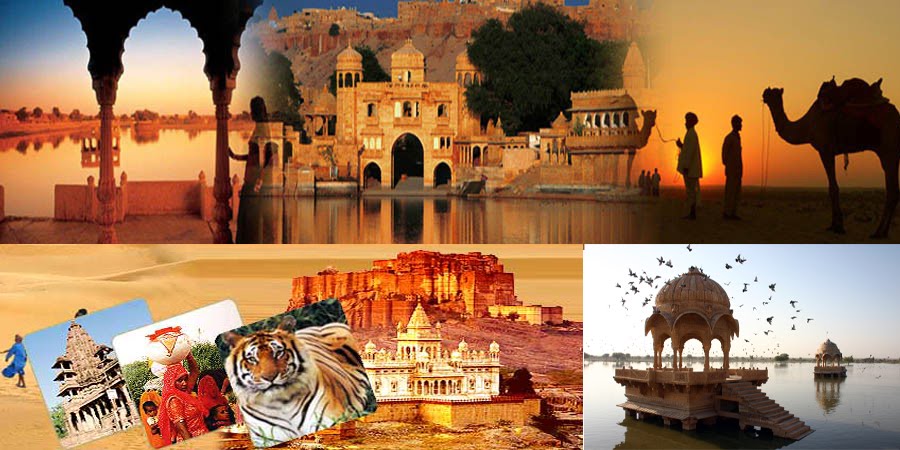
Located in the heart of the Thar Desert, Bikaner is one of Rajasthan’s most fascinating royal cities. Known for its grand forts, rich culture, delicious snacks, and famous camel heritage, Bikaner offers a unique desert travel experience. Unlike many desert towns, Bikaner retains an authentic Rajasthani charm with narrow lanes, vibrant markets, and magnificent palaces.

Founded in 1488 by Rao Bika, the city was an important stop on the ancient caravan trade routes that connected Central Asia with Gujarat’s ports. Today, Bikaner attracts travelers from around the world who come to explore its historical monuments, desert landscapes, and traditional lifestyle.


History of Bikaner


The history of Bikaner dates back more than 500 years when Rao Bika, the son of Rao Jodha, established the kingdom in the desert region of northern Rajasthan.

One of the most remarkable monuments of the city is Junagarh Fort. Unlike most forts in Rajasthan built on hilltops, Junagarh Fort stands on the plains. Built in 1589 by Raja Rai Singh, the fort features beautiful palaces, temples, courtyards, and museums.

Inside the fort, visitors can admire stunning halls such as Anup Mahal, Phool Mahal, and Karan Mahal, decorated with mirror work, paintings, and intricate carvings.


Top Attractions in Bikaner

1. Junagarh Fort


4

The highlight of any trip to Bikaner is Junagarh Fort. The fort complex includes several beautiful palaces built by different rulers over centuries. Visitors can explore royal apartments, weapon galleries, and historical artifacts that reveal the lifestyle of Bikaner’s kings.


2. Lalgarh Palace

Another architectural marvel is Lalgarh Palace, built by Maharaja Ganga Singh in the early 20th century. Made from red sandstone, the palace blends Rajput, Mughal, and European architectural styles. Part of the palace is now a luxury heritage hotel and museum.

3. Karni Mata Temple (Rat Temple)


About 30 km from Bikaner lies the famous Karni Mata Temple, also known as the Rat Temple. The temple is unique because thousands of rats live inside and are considered sacred. Devotees believe that spotting a rare white rat brings good luck.

4. National Research Centre on Camel


Bikaner is known as the Camel Country of India. At the National Research Centre on Camel, visitors can learn about different camel breeds, enjoy camel rides, and even taste camel milk products such as ice cream and coffee.

Bikaner Camel Festival


One of the most exciting events in Bikaner is the Bikaner Camel Festival, organized every year in January. The festival celebrates the importance of camels in desert life. Visitors can enjoy camel dances, races, cultural performances, folk music, and traditional Rajasthani cuisine.

Famous Food of Bikaner

No visit to Bikaner is complete without tasting its famous snacks:

  • Bikaneri Bhujia

  • Rasgulla

  • Ghewar

  • Kachori

Bikaner’s markets are full of sweet shops selling traditional snacks that travelers often take home as souvenirs.


Best Time to Visit Bikaner

The best time to visit Bikaner is between October and March when the weather is pleasant. Winter months are ideal for sightseeing, desert excursions, and attending cultural festivals.

Summer temperatures can rise above 40°C, making travel more challenging during the daytime.


How to Reach Bikaner

By Air:
The nearest airport is Nal Airport, about 15 km from the city.

By Train:
Bikaner Junction railway station connects the city with major Indian destinations like Delhi, Jaipur, and Jodhpur.

By Road:
Bikaner is well connected by road to major cities including Jaipur, Jodhpur, and Jaisalmer. Many travelers prefer exploring the region with a private car for comfort and flexibility.


Final Thoughts

A trip to Bikaner offers a perfect blend of history, culture, and desert charm. From exploring the majestic Junagarh Fort and the unique Karni Mata Temple to enjoying camel rides and tasting delicious Bikaneri snacks, the city promises an unforgettable experience.

Whether you are planning a heritage tour of Rajasthan or a desert adventure, Bikaner is a destination that truly showcases the royal spirit and vibrant traditions of the desert state.

Read More
      edit

Monday, 9 March 2026

Published 3:29:00 am by with 0 comment

**Fatehpur Sikri – The Abandoned City of the Mughal Empire**

Fatehpur Sikri is one of the most fascinating historical cities in India. Located in the state of Uttar Pradesh, near Agra, this magnificent city was once the proud capital of the Mughal Empire. Today, it stands as a remarkable example of Mughal architecture and a reminder of a glorious past.

**The Story Behind the City**

Fatehpur Sikri was built in the 16th century by the Mughal emperor Akbar. The city was constructed around 1571 after Akbar visited the Sufi saint Sheikh Salim Chishti, who predicted the birth of his son. When the prophecy came true, Akbar decided to build a grand city near the saint’s residence to honor him.

The name “Fatehpur” means “City of Victory,” commemorating Akbar’s victory over Gujarat. For nearly 15 years, Fatehpur Sikri served as the capital of the Mughal Empire.

https://agratourguide.com

https://agratourpackages.com

https://agratourpackage.com

**Architectural Marvel**

Fatehpur Sikri is famous for its stunning blend of Persian, Islamic, and Indian architectural styles. The entire city was built mainly using red sandstone, giving it a unique and majestic appearance.

Some of the most famous structures in the city include:

* **Buland Darwaza** – The grand gateway built to celebrate Akbar’s victory in Gujarat. It is one of the tallest gateways in the world.

* **Jama Masjid** – One of the largest mosques in India, known for its beautiful courtyard and impressive design.

* **Panch Mahal** – A five-story palace with open pavilions, designed to allow cool breezes to flow through the structure.

* **Diwan-i-Khas** – A special hall where Akbar held private meetings and discussions with scholars and advisors.

Each structure reflects the creativity, engineering skill, and artistic excellence of the Mughal era.

**The Mystery of Abandonment**

Despite its beauty and grandeur, Fatehpur Sikri was abandoned only a few years after it was built. Historians believe the main reason was the lack of a reliable water supply in the region. Because of this problem, the Mughal capital was moved to Lahore and later to Agra.

**Fatehpur Sikri Today**

Today, Fatehpur Sikri is a UNESCO World Heritage Site and one of the most visited historical destinations in India. Tourists from around the world come to explore its palaces, mosques, and courtyards, experiencing the legacy of the Mughal Empire.

Walking through the silent streets and grand buildings of Fatehpur Sikri feels like stepping back in time. Even though the city is no longer inhabited, its history and architectural beauty continue to inspire visitors.

**Conclusion**

Fatehpur Sikri is more than just an abandoned city; it is a symbol of India’s rich history, culture, and architectural brilliance. The city tells the story of ambition, faith, and the vision of a great emperor. Visiting Fatehpur Sikri offers a unique opportunity to connect with the remarkable heritage of the Mughal period.


Read More
      edit

Friday, 6 March 2026

Published 10:35:00 pm by with 0 comment

Mandawa Exploring the Painted Town of Rajasthan


https://rajasthantourpackage.com

Tucked away in the Shekhawati region of Rajasthan, the charming town of Mandawa is often called an open-air art gallery. Famous for its beautifully painted havelis, historic forts, and colorful streets, Mandawa offers travelers a glimpse into Rajasthan’s rich trading history and artistic heritage.


📍 Where is Mandawa?

https://rajasthantourpackage.com

Mandawa lies in the Shekhawati region of northern Rajasthan, about 190 km from Jaipur and around 250 km from Delhi. It was once an important stop along ancient caravan routes where wealthy merchants built grand mansions known as havelis.


🏰 Mandawa Fort – The Heart of the Town

One of the most iconic landmarks here is the majestic Mandawa Fort.

https://rajasthanbudgettours.com

  • Built in 1755 by Thakur Nawal Singh

  • Now converted into a heritage hotel

  • Known for mirror work, fresco paintings, and royal architecture

Visitors can walk through courtyards decorated with colorful murals and experience the atmosphere of a royal Rajput residence.


🎨 The Famous Painted Havelis

Mandawa is most famous for its intricately painted havelis. These mansions were built by wealthy Marwari traders during the 18th and 19th centuries.

https://rajasthantouroperator.com

Must-Visit Havelis

  • Hanuman Prasad Goenka Haveli – Known for depictions of mythological scenes and European influences.

  • Jhunjhunwala Haveli – Famous for colorful frescoes and ornate doors.

  • Murmuria Haveli – Unique murals featuring trains, cars, and even early depictions of modern figures.

Walking through Mandawa’s narrow lanes feels like stepping into a living art museum.

https://rajasthantouroperator.com


🐪 Things to Do in Mandawa

1️⃣ Haveli Walks
Explore the streets and admire centuries-old frescoes that tell stories of trade, mythology, and colonial influences.

2️⃣ Camel Safari
Ride through nearby villages and sand dunes to experience rural life in Rajasthan.

3️⃣ Photography Tour
Mandawa is a paradise for photographers thanks to its vivid murals, heritage doors, and colorful markets.

4️⃣ Local Shopping
Buy traditional Rajasthani handicrafts like:

  • Bandhani textiles

  • Hand-painted souvenirs

  • Lac bangles


🍛 What to Eat

While exploring Mandawa, don’t miss authentic Rajasthani dishes like:

  • Dal Baati Churma

  • Gatte ki Sabzi

  • Ker Sangri

Many heritage hotels serve traditional meals in royal courtyards.


📅 Best Time to Visit

The ideal time to visit Mandawa is October to March when the weather is pleasant for walking and sightseeing. Summers in Rajasthan can get extremely hot.


🚗 How to Reach

  • By Air: Nearest airport is in Jaipur.

  • By Train: Nearest railway station is Jhunjhunu.

  • By Road: Well connected by road from Delhi and Jaipur.

    https://letsgorajasthan.com


✨ Why Mandawa Should Be on Your Travel List

Mandawa is perfect for travelers who love history, architecture, and art. With its vibrant frescoes, royal forts, and peaceful desert surroundings, the town offers an unforgettable cultural experience in Rajasthan.


Travel Tip: Spend at least one night in a heritage haveli hotel to fully experience the royal charm of Mandawa.

https://rajasthanb2b.com


Read More
      edit

Thursday, 5 March 2026

Published 2:52:00 am by with 0 comment

Kumbhalgarh Fort – The Great Wall of India


Hidden in the rugged hills of the Aravalli Range, the majestic Kumbhalgarh Fort stands as one of the most impressive historical sites in India. Famous for its massive wall and fascinating history, Kumbhalgarh is often called the “Great Wall of India.”


A Fort Built by a Visionary King

https://www.rajasthantourplanner.com/

Kumbhalgarh Fort was built in the 15th century by Rana Kumbha, one of the most powerful rulers of the Mewar kingdom. Construction began around 1443 and took several years to complete. The fort was designed as a strategic defensive structure, protecting the kingdom from invasions.

The massive walls stretch for about 36 kilometers, making it the second-longest continuous wall in the world after the Great Wall of China.

Birthplace of a Legendary Warrior

Kumbhalgarh Fort is also famous as the birthplace of the great Rajput king Maharana Pratap, one of the most celebrated warriors in Indian history. His bravery and resistance against the Mughal emperor Akbar made him a symbol of courage and pride in Rajasthan.

Architecture and Hidden Wonders


https://www.rajasthantourpackage.com/

The fort has 7 massive gates and more than 360 temples inside its walls, including both Hindu and Jain temples. One of the most notable temples is the Neelkanth Mahadev Temple, dedicated to Lord Shiva.

From the top of the fort, visitors can enjoy breathtaking views of the surrounding hills and forests. At night, the illuminated fort creates a magical atmosphere that attracts photographers and history lovers alike.

UNESCO World Heritage Site

In 2013, Kumbhalgarh Fort was recognized as part of the UNESCO World Heritage Site under the group Hill Forts of Rajasthan. This recognition highlights the fort’s historical and architectural importance.

https://www.rajasthantouroperator.com/

Best Time to Visit

The best time to visit Kumbhalgarh is between October and March, when the weather is pleasant. The Kumbhalgarh Festival, held every year, showcases traditional music, dance, and cultural performances, making the visit even more memorable.

Conclusion

Kumbhalgarh Fort is not just a historical monument but a symbol of Rajput strength, bravery, and architectural brilliance. Whether you are a history enthusiast, a traveler, or a photography lover, this magnificent fort offers an unforgettable experience in the heart of Rajasthan.


Read More
      edit

Tuesday, 3 March 2026

Published 9:56:00 pm by with 0 comment

Nainital – The Lake District of India 🌄


Nainital, nestled in the Kumaon region of Uttarakhand, is a picturesque hill station famous for its serene lakes, lush green hills, and pleasant climate. Surrounded by the Kumaon Himalayas, the town is centered around the scenic Naini Lake, which is the focal point of tourist activity. Visitors can enjoy boating, photography, and lakeside walks while soaking in the calm atmosphere and stunning natural beauty.

Founded by the British in the 19th century, Nainital quickly became a popular summer retreat due to its cool climate and scenic landscapes. The town features charming colonial-era architecture, bustling markets, and quaint streets that blend modern amenities with historical charm. Beyond the lake, Nainital offers a variety of attractions including viewpoints, temples, gardens, and adventure activities like trekking and ropeway rides.

Nainital is also an educational hub, with several prestigious schools and institutions, adding to its vibrant cultural ambiance. The town’s surrounding hills, including Snow View, Tiffin Top, and Hanuman Garhi, offer panoramic vistas of the Himalayas and the town below. Birdwatchers and nature enthusiasts are drawn to the region for its rich flora and fauna, making it an ideal destination for eco-tourism.

In addition to natural beauty, Nainital offers opportunities to explore local culture, handicrafts, and cuisine. Traditional Kumaoni dishes and local markets allow tourists to experience the region’s unique heritage. The combination of scenic landscapes, cultural experiences, and recreational activities makes Nainital a well-rounded destination suitable for families, honeymooners, and solo travelers alike.

Whether boating on Naini Lake at sunrise, exploring colonial-era buildings, or trekking through surrounding hills, Nainital provides an immersive experience that combines nature, history, and leisure. Its serene ambiance, coupled with abundant tourist amenities, ensures a memorable and rejuvenating visit, making it one of India’s most beloved hill stations.

History 

Nainital’s history is closely linked with the British colonial era. The town was developed in the mid-19th century as a hill station to escape the scorching plains of North India. Its strategic location in the Kumaon region and the presence of Naini Lake made it ideal for settlement and recreation. Historical records suggest that the region was originally inhabited by the Kumaoni tribes, who relied on agriculture and pastoral activities.

The British recognized Nainital’s potential as a summer retreat and established administrative offices, schools, and churches. The town’s colonial architecture, including bungalows, churches, and hotels, still stands as a testament to this period. Nainital also became a center for trade, connecting neighboring villages and facilitating economic development.

The name “Nainital” is derived from the Naini Devi Temple, located on the banks of the lake. According to legend, the lake was created by the tears of Goddess Sati, and it is considered sacred by locals and pilgrims. The temple has been a spiritual focal point for centuries, drawing devotees and tourists alike.

Over the years, Nainital witnessed natural disasters such as landslides and floods, which led to modern urban planning and development initiatives. The town expanded to include scenic viewpoints, gardens, and educational institutions. Several schools and colleges were established during the British era, contributing to Nainital’s reputation as an educational hub.

Today, Nainital combines historical charm with modern tourism infrastructure. Visitors can explore colonial-era architecture, temples, and cultural sites while enjoying recreational activities like boating, trekking, and ropeway rides. The town’s history, natural beauty, and vibrant culture make it a unique hill station, preserving its legacy while catering to contemporary travelers.

Nearby Places to Visit

Snow View Point
Snow View Point, accessible via ropeway or trekking, offers breathtaking views of the snow-capped Himalayan peaks. Visitors can enjoy panoramic vistas, photography, and the serene ambiance of the surrounding hills. The point is ideal for sunrise and sunset views, providing an unforgettable Himalayan experience for nature lovers, photographers, and adventure enthusiasts visiting Nainital.

Tiffin Top
Tiffin Top, also known as Dorothy’s Seat, is a popular trekking destination located on a hilltop overlooking Nainital. It provides panoramic views of Naini Lake and the surrounding mountains. Ideal for picnics, photography, and leisurely walks, Tiffin Top attracts families, hikers, and tourists seeking a combination of adventure and natural beauty. The area is surrounded by oak and deodar trees, adding to its serene environment.

Hanuman Garhi
Hanuman Garhi is an ancient temple dedicated to Lord Hanuman, located on a hill offering stunning views of Nainital. The temple attracts devotees and tourists alike, providing a spiritual experience amidst scenic surroundings. Visitors can climb steps leading to the shrine, enjoy panoramic vistas, and witness cultural rituals. Its peaceful ambiance and cultural significance make it a must-visit site in Nainital.

Nainital Zoo
Nainital Zoo, officially known as the Pt. Govind Ballabh Pant High Altitude Zoo, is home to Himalayan wildlife including snow leopards, bears, and exotic birds. Set in a scenic location, the zoo allows visitors to observe rare species in naturalistic enclosures. It is ideal for families, wildlife enthusiasts, and photographers seeking to explore the region’s biodiversity while enjoying a leisurely day amidst nature.

Mall Road
Mall Road is Nainital’s bustling commercial street, lined with shops, cafes, and restaurants. Visitors can shop for local handicrafts, souvenirs, and traditional Kumaoni items while enjoying street food and cultural performances. The road also provides access to the lake, parks, and other attractions. Mall Road is a vibrant hub that combines shopping, dining, and leisure, offering tourists an immersive cultural and social experience in Nainital.

Best Time to Visit 

The ideal time to visit Nainital is March to June and September to November, when the weather is pleasant and perfect for sightseeing, trekking, and boating. The monsoon season is less favorable due to landslides, while winters offer cold temperatures with occasional snowfall, ideal for winter enthusiasts.

How to Reach 

Nainital is well connected by road and rail. The nearest railway station is Kathgodam Railway Station, about 34 km away. By road, Nainital is accessible via National Highway 109 from Delhi, Dehradun, and other major cities. Private taxis, buses, and self-drive options provide convenient travel to the town and nearby attractions.


Read More
      edit

Friday, 20 February 2026

Published 9:34:00 pm by with 0 comment

Mount Abu – Rajasthan’s Only Hill Station


 Nestled in the rugged folds of the Aravalli Range, Mount Abu is Rajasthan’s only hill station and a refreshing escape from the desert heat. Located near the Gujarat border, this charming destination blends cool weather, lush greenery, serene lakes, and magnificent temples—making it perfect for nature lovers, couples, families, and spiritual seekers alike.

🌄 Mount Abu – Rajasthan’s Only Hill Station

Nestled in the rugged folds of the Aravalli Range, Mount Abu is Rajasthan’s only hill station and a refreshing escape from the desert heat. Located near the Gujarat border, this charming destination blends cool weather, lush greenery, serene lakes, and magnificent temples—making it perfect for nature lovers, couples, families, and spiritual seekers alike.


📍 Why Visit Mount Abu?

Unlike the golden sands typically associated with Rajasthan, Mount Abu offers:

  • Pleasant climate year-round

  • Scenic viewpoints and sunset spots

  • Historic Jain temples

  • Peaceful lakes and boating

  • Wildlife and trekking trails


🏞️ Top Places to Visit in Mount Abu

1. Nakki Lake

The heart of Mount Abu, Nakki Lake is a serene water body surrounded by hills and legends. Enjoy paddle boating, evening strolls, and lakeside cafes while soaking in the cool breeze.

2. Dilwara Temples

Famous for their intricate marble carvings, these Jain temples date back to the 11th–13th centuries. The craftsmanship is so detailed that even ceilings and pillars look like delicate lacework.

3. Guru Shikhar

The highest peak of the Aravalli Range, offering panoramic views of the surrounding landscape. A must-visit for photography lovers.

4. Sunset Point

A popular evening spot where the sky turns magical shades of orange and pink as the sun dips below the hills.

5. Mount Abu Wildlife Sanctuary

Home to diverse flora and fauna, including leopards, sloth bears, and rare orchids. Ideal for trekking and nature walks.


🌤️ Best Time to Visit

  • October to March – Ideal weather for sightseeing

  • April to June – Pleasant compared to Rajasthan’s heat

  • Monsoon (July–September) – Lush greenery and misty views


🛕 Spiritual & Cultural Significance

Mount Abu is an important pilgrimage site for Jains due to the Dilwara Temples. It also hosts the headquarters of the Brahma Kumaris, attracting spiritual seekers from around the world.


🍲 What to Eat

Don’t miss:

  • Dal Baati Churma

  • Gatte ki Sabzi

  • Rajasthani Thali

  • Street-side corn near Nakki Lake


🛍️ Shopping in Mount Abu

Explore local markets for:

  • Rajasthani handicrafts

  • Marble artifacts

  • Kota sarees

  • Sandalwood items


🚗 How to Reach

  • By Air: Nearest airport – Maharana Pratap Airport (Udaipur)

  • By Train: Abu Road railway station (about 28 km away)

  • By Road: Well connected via highways from Udaipur, Ahmedabad, and Jaipur


✨ Final Thoughts

Whether you’re seeking tranquility by the lake, spiritual solace in marble temples, or breathtaking sunset views, Mount Abu offers a refreshing contrast to Rajasthan’s desert charm. It’s a perfect weekend getaway and a delightful hill retreat wrapped in history, culture, and natural beauty.

https://www.rajasthantourplanner.com/

https://www.rajasthantourpackage.com/

https://www.rajasthantouroperator.com/


Read More
      edit

Tuesday, 17 February 2026

Published 12:34:00 am by with 0 comment

Explore Smrity Van Jaipur


Looking to explore Jaipur beyond the famous forts and palaces? Smrity Van is an ideal destination for those who want to experience nature and peace. Located on the JLN Marg, this beautiful biodiversity park offers a refreshing break from the city hustle. If you're planning a Rajasthan tour with family, Rajasthan tour with friends, or Rajasthan tour with as a couple, don't miss out on this hidden gem in Jaipur!


Book your Rajasthan tour now through Enjoy Rajasthan Tour and get exclusive tour packages that include Smrity Van and more!

What to Expect at Smrity Van, Jaipur
Smrity Van is a lush green park spread over 108 acres. It was created after a devastating flood in 1981, and since then, it has become a haven for nature enthusiasts. Here's what you can enjoy at Smrity Van:

Nature Trails: Smrity Van offers several walking trails where you can enjoy the natural beauty and take a peaceful walk.

Flora and Fauna: The park is home to various plant species and birds, making it a great spot for birdwatching and photography.

Eco-friendly Spaces: Smrity Van promotes environmental awareness with its eco-friendly initiatives, making it an ideal place for educational trips as well.


Best Time to Visit Smrity Van
The best time to visit Smrity Van is during the early morning or evening, especially in the cooler months from October to March. The weather is pleasant, and you can fully enjoy the natural surroundings.


Whether you're visiting Jaipur for a day or staying for a complete Rajasthan tour, make sure to add Smrity Van to your itinerary!
Why Visit Smrity Van with Enjoy Rajasthan Tour?
At Enjoy Rajasthan Tour, we offer complete Rajasthan tour packages that cover popular attractions like Jaipur, Udaipur, Jaisalmer, and more. Our packages are perfect for couples, families, and budget travelers. Plus, we provide taxi services and hotel bookings to make your trip comfortable and hassle-free.

Read More
      edit

Saturday, 14 February 2026

Published 4:08:00 am by with 0 comment

Sariska Safari


Hidden within the rugged folds of the Aravalli Hills, just a few hours from Delhi and Jaipur, lies a wildlife sanctuary teeming with mystery, silence, and sudden roars — Sariska Tiger Reserve. Once the private hunting ground of the Maharajas of Alwar, Sariska today is a protected sanctuary that offers travelers and nature lovers a chance to dive deep into the untamed beauty of Rajasthan. This isn’t just another forest. This is where history sleeps in ancient ruins, where tigers walk the same trails as royal hunters once did, and where nature remains gloriously wild.

A Glimpse Into Sariska’s Past

Sariska’s story is layered — not just with foliage and terrain, but with history, legends, and royal bloodlines. Declared a wildlife sanctuary in 1955, it was upgraded to a tiger reserve under Project Tiger in 1978. The area spans about 881 square kilometers, including scrub-thorn arid forests, dry deciduous trees, rocky hills, and grasslands.

But Sariska is more than just a habitat for animals. It is home to ancient temples, forts, and royal hunting lodges. The Kankwari Fort, built in the 17th century, once served as the prison of Aurangzeb’s brother, Dara Shikoh. Today, it stands as a silent witness to time, offering panoramic views over the reserve’s vast wilderness.

The Wildlife Experience


While the name “Sariska” immediately brings tigers to mind, the park hosts an impressive variety of fauna. Sightings of leopardshyenasjackalswild boarschinkarassambhars, and nilgai are common. The park also has a healthy population of langurs and rhesus macaques, and you might spot them lounging lazily or chattering in trees near the forest lodges.

In the early 2000s, Sariska faced a devastating setback — tigers had vanished. Poaching and poor management had decimated the population. However, in a remarkable conservation effort, tigers were successfully reintroduced from Ranthambhore starting in 2008. Today, the population is slowly stabilizing, and tourists can once again experience the thrill of spotting a big cat in the wild.

But even if a tiger remains elusive during your safari, the forest itself offers plenty of unforgettable moments — the echo of peacocks calling at dawn, the rustle of leaves under a deer’s hooves, the sudden bark of a langur alerting others to a predator.

The Safari Experience

The best way to explore Sariska is through a jeep or canter safari, conducted by forest department-approved guides. The reserve is divided into several zones, and each offers a unique landscape and different chances of wildlife sightings.

Morning safaris start early — around sunrise — and are ideal for spotting animals before the heat drives them into the shade. Evening safaris offer a more atmospheric view of the forest, with golden light filtering through the trees and the air filled with the calls of birds preparing to roost.

What sets Sariska apart is the serene and less commercialized experience compared to other popular parks like Ranthambhore or Jim Corbett. The trails are quieter, and the crowd is thinner — making it feel like a genuine exploration of nature.

Pro tip: Book your safaris online well in advance through the Rajasthan Forest Department portal, especially during peak seasons (October to March).

Birdwatcher’s Paradise

With over 225 species of birds, Sariska is a paradise for birdwatchers. From majestic crested serpent eagles soaring high above the cliffs to colorful Indian pittasparakeetstreepies, and kingfishers, the skies and trees are alive with fluttering wings and birdcalls.

The Siliserh Lake nearby attracts migratory birds during the winter season, making it a worthwhile stop for bird enthusiasts with binoculars and patience.

Historical Sites Within the Reserve

One of the most fascinating aspects of Sariska is the presence of historical structures within the reserve boundaries:

  • Pandupol Temple: Said to be associated with the Pandavas from the Mahabharata, this Hanuman temple lies deep within the forest. Visitors often see langurs and peacocks here in abundance.

  • Kankwari Fort: Though partially in ruins, this fort atop a hill offers a sweeping view of the reserve and a strong connection to Mughal-era history.

  • Bhangarh Fort (on the outskirts): Though not within the park boundaries, Bhangarh is a must-visit for thrill-seekers. Often called "India’s most haunted fort", it has become a fascinating blend of history and folklore.

Best Time to Visit Sariska

The park remains open from October to June, with each season offering a unique charm:

  • October to February (Winter): The best time to visit. Pleasant weather, higher chances of animal sightings, and migratory birds in abundance.

  • March to May (Summer): Hot, but ideal for tiger sightings as animals gather near water sources.

  • June to September: The park is closed during monsoon due to rains and breeding season.

How to Reach Sariska

Sariska is easily accessible from major North Indian cities:

  • By Road: Located about 200 km from Delhi (approx. 4–5 hours drive) and 110 km from Jaipur. Well-connected via NH248A.

  • By Train: The nearest railway station is Alwar, about 37 km away. Taxis and buses are available from there.

  • By Air: The nearest airport is in Jaipur. From there, one can hire a cab to Sariska.

Travel Tips for a Sariska Safari Adventure

  • Book safaris early, especially during weekends and holidays.

  • Wear earthy-colored clothing (greens, browns, beige) to blend with the environment.

  • Carry binoculars, sunscreen, a hat, and a water bottle.

  • Maintain silence and respect wildlife; do not feed or provoke animals.

  • Avoid strong perfumes or bright clothing — animals are sensitive to scents and colors.

  • Follow your guide’s instructions carefully — they are trained and knowledgeable.

Sariska vs. Other Tiger Reserves

While Sariska may not have the high-density tiger population of Ranthambhore or Bandhavgarh, it makes up for it with its peaceful environment, rich history, and fewer tourists. It’s ideal for travelers looking to combine wildlife, history, and spiritual exploration in a more relaxed setting.

The Soul of Sariska

Sariska is not just about chasing tigers through the underbrush. It's about slowing down, letting the forest unfold at its pace, and experiencing the raw elegance of the wild. It’s about sitting quietly at a watering hole and watching life happen — a kingfisher diving for fish, a herd of sambar wading through reeds, or a tiger silently appearing from the shadows.

For many, a trip to Sariska is a reminder that the jungle doesn't speak — it whispers. You have to listen closely.

Read More
      edit

Friday, 13 February 2026

Published 3:26:00 am by with 0 comment

Top Places to Visit in Rajasthan

                  Jaipur, the ‘Pink City

First up on our list of must-see places in Rajasthan is its captivating capital, Jaipur. Known as the ‘Pink City’ for its blushed buildings and rosy facades, Jaipur forms part of the famed Golden Triangle, along with Delhi and Agra. Places to visit in Jaipur include the royal residence, the City Palace (offering spectacular views over the city), the magnificent Hawa Mahal, with its honeycomb-like structure, and the imposing Amber (or Amer) Fort, a UNESCO World Heritage site. Beyond the fort walls, make sure to discover the beautiful step wells, carved temples, water buffalo and monkeys. Stroll past bustling flower markets, turban stalls, painted frescoes and elephants as you sight-see your way around this palatial pink city.


Jodhpur, with its blue buildings and medieval alleyways sprawling under the Mehrangarh Fort, is another one of our favourite places to visit in Rajasthan. Explore the magical markets piled high with spices, vegetables, sacks of onions, woven baskets and sugar cane pressers before admiring the milky marble cenotaph to Maharaja Jaswant Singh II, the Jaswant Thada. Jodhpur’s formidable fort is also unmissable (quite literally), rising nearly 400ft high above the city’s skyline, along with its informative museum. Make sure to catch at least one sunset up here, which looks out over Jodhpur’s shimmering blue rooftops. It’s b(lue)tiful bliss.


Last but not least of our favourite places to visit in Rajasthan is the magical city of Udaipur. Often deemed the most romantic in India, any trip to Rajasthan naturally leads to this ‘City of Lakes’. Sitting snugly upon Lake Pichola, this ‘Venice of the East’ is home to the state’s largest palace and impressive architectural feat, the City Palace. While away the hours with a cup or two of chai on a terrace overlooking Lake Pichola with the Taj Lake Palace (now a hotel) appearing to float in its centre. Afterwards, wander the crisscross-draped Aladdin-like bazaars, uncover ancient artefacts at the Ahar museum, take in the hilltop views from Monsoon Palace and discover lush Jagmandir Island. Hop on a boat ride around the lake at sunset for unbeatable views of the city’s palaces.


This sensational sandstone city, rising out of the Thar desert, is an enticing urban centre in Rajasthan. Explore the imposing Jaisalmer Fort, which, unlike similar Rajasthani forts, is very much alive with shops, temples and havelis (traditional ornate mansions) connected by narrow, twisting lanes. Other must-sees include Nathmal Ji Ki Haveli and Patwa ki Haveli, both magnificent lattice-like golden structures that are a testament to the region’s architectural history.

Ranthambore National Park 

Next on our list of the top places to visit in Rajasthan is the wildlife-abundant Ranthambore National Park. The main attraction here is the majestic Bengal tiger. Originally a private hunting ground of the maharajas, Ranthambore is renowned as one of the best places to see these big cats in the wild. Head out on a safari into a landscape filled with lakes, crags, forests and meadows to (hopefully) get lucky. Tigers aside, there’s a plethora of wonderful wildlife, from the sloth bear and mongoose to the crocodile and hyena. The regal tenth-century Ranthambore Fort is a characterful centrepiece in the park, which is also dotted with vine-clad cenotaphs, ruins and abandoned human settlements. Ranthambore is easily accessible from major cities, including Jaipur and Delhi, so is seamlessly woven into a Rajasthan itinerary. 


Perhaps the most under-the-radar spot on our list of places to visit in Rajasthan, the desert dream of Bikaner is well worth your attention. A must-see site here is, yep, you guessed it, a fort. You’ll not be disappointed with Junagarh Fort, however, from its 16th-century features and bejewelled interiors to its Mughal marble facades. Another iconic building is the Rampuria Haveli. Steeped in centuries of Rajput, Mughal and British history, this ornately carved red sandstone haveli will transport you to a bygone era. Don’t miss the maze-like streets of Bikaner’s walled old town, too, for more historic charm. Snack on namkeen (Bikaner’s take on Bombay mix) as you browse its market stalls. Bikaner is also famous for its rat temple, Karni Mata. Home to over 25,000 resident rats, the temple hosts a quirky festival in the rodents’ honour. Each to one’s own… 


Read More
      edit