Tuesday, 26 May 2026

Published 11:21:00 pm by with 0 comment

Desert Adventure Tours


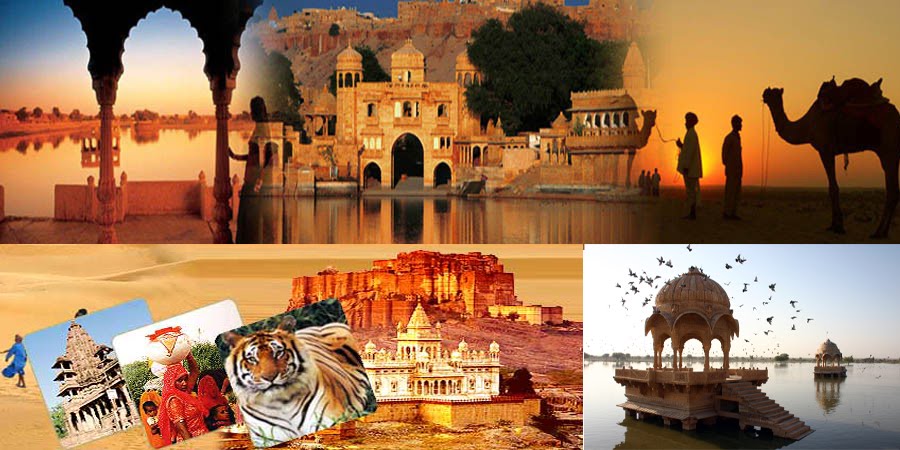
Desert Adventure Tours in India offer an exciting combination of thrilling activities, cultural experiences, breathtaking landscapes, and traditional hospitality in the vast golden deserts of Rajasthan and other arid regions of the country. These tours are perfect for travelers seeking adventure, nature, photography, and authentic local culture while exploring rolling sand dunes, historic forts, remote desert villages, and colorful folk traditions. The desert landscapes of India create a magical atmosphere where visitors can enjoy camel safaris, jeep rides, luxury camping, cultural performances, and unforgettable sunsets beneath the open desert sky.

One of the most popular destinations for desert adventure tours is Jaisalmer, famously known as the Golden City. Located in the heart of the Thar Desert, Jaisalmer attracts travelers with its massive sandstone fort, ornate havelis, and endless sand dunes. Adventure tours often begin with a visit to Jaisalmer Fort, one of the few living forts in the world, followed by journeys into the desert areas of Sam and Khuri. Camel safaris are among the most iconic desert experiences, allowing travelers to ride through the dunes while witnessing traditional desert villages, grazing camels, and spectacular sunsets. Overnight camel safaris provide a unique opportunity to sleep under the stars while enjoying local folk music, traditional dance performances, and authentic Rajasthani cuisine around a bonfire.

Jeep safaris are another major attraction of desert adventure tours and are ideal for travelers seeking speed and excitement across the dunes. Powerful off-road vehicles take visitors deep into the desert, crossing rugged terrain and high sand dunes while offering stunning panoramic views of the landscape. Dune bashing, sunset photography, and off-road exploration make jeep safaris one of the most thrilling desert activities in Rajasthan.

Luxury desert camping is an important part of modern desert adventure tours. Travelers can stay in beautifully designed Swiss tents and luxury desert camps equipped with comfortable beds, attached bathrooms, traditional décor, and cultural entertainment. Many camps organize folk dance performances, puppet shows, fire shows, stargazing sessions, and traditional Rajasthani dinners that create a complete cultural and adventure experience in the middle of the desert.

Desert adventure tours also introduce visitors to the rich culture and traditions of Rajasthan. Travelers explore remote villages where local communities continue traditional lifestyles shaped by the harsh desert environment. Interactions with local artisans, musicians, camel breeders, and craftsmen provide insight into the region’s heritage and hospitality. Visitors can shop for handmade textiles, leather products, silver jewelry, embroidered fabrics, and traditional handicrafts unique to the desert region.

Apart from Jaisalmer, destinations such as Bikaner and Jodhpur also offer remarkable desert adventure experiences. Bikaner is famous for camel breeding farms, desert festivals, and historical forts, while Jodhpur combines desert landscapes with royal heritage and adventure activities near the Thar Desert.

Many
desert tours include additional adventure activities such as quad biking, parasailing, ziplining, hot air balloon rides, and desert trekking. Photography enthusiasts especially enjoy capturing golden sand dunes, colorful turbans, camel caravans, star-filled skies, and dramatic sunsets that create unforgettable visual memories.

Desert Adventure Tours in India are suitable for couples, families, solo travelers, photographers, and adventure lovers looking for a unique and immersive travel experience. Whether enjoying a peaceful camel ride at sunset, an adrenaline-filled jeep safari, or a luxurious night in a desert camp, these tours showcase the beauty, culture, and adventurous spirit of the Indian desert in a truly unforgettable way.

                                                              Jaisalmer Tour Planner

Read More
      edit

Thursday, 21 May 2026

Published 10:45:00 pm by with 0 comment

Sacred Lakes of Rajasthan


The sacred lakes of Rajasthan hold immense spiritual, cultural, and historical importance and are among the most peaceful and beautiful destinations in the state. Surrounded by temples, ghats, palaces, hills, and ancient settlements, these lakes are not only sources of water in Rajasthan’s desert landscape but also centers of faith, rituals, festivals, and local traditions. Travelers visiting Rajasthan often explore these sacred lakes to experience spirituality, natural beauty, religious ceremonies, photography, and peaceful surroundings. Many of these lakes are connected with Hindu mythology, royal history, and centuries-old pilgrimage traditions that continue even today.

One of the most famous sacred lakes in India is Pushkar Lake, located in the holy town of Pushkar. According to Hindu mythology, the lake was created when Lord Brahma dropped a lotus flower on the earth, making Pushkar one of the oldest pilgrimage destinations in India. The lake is surrounded by more than fifty bathing ghats and hundreds of temples where pilgrims perform prayers, religious rituals, and holy bathing ceremonies. Devotees believe that taking a dip in Pushkar Lake during the Kartik month washes away sins and brings spiritual blessings. The atmosphere around the lake becomes especially vibrant during the world-famous Pushkar Camel Fair, when thousands of pilgrims, saints, travelers, and traders gather in the town. Evening aarti ceremonies at the ghats create a magical spiritual environment filled with devotional songs, temple bells, oil lamps, and prayers reflected on the calm water surface.

Another important sacred lake in Rajasthan is Ana Sagar Lake, located in the historic city of Ajmer. Built in the 12th century by Anaji Chauhan, this beautiful artificial lake has remained a symbol of peace and relaxation for centuries. The lake is surrounded by gardens, marble pavilions, and walking areas that attract both pilgrims and tourists. Ajmer is also famous for the sacred Ajmer Sharif Dargah, making the city an important center of spiritual tourism. Visitors often combine a peaceful visit to Ana Sagar Lake with prayers at the dargah and nearby temples. Sunset views at the lake create a calm and refreshing atmosphere, making it one of the most scenic water bodies in Rajasthan.

Rajsamand Lake is another historically significant lake built by Maharana Raj Singh in the 17th century. Located near Udaipur, this massive lake was constructed to provide water to the surrounding region and also became an important spiritual and cultural landmark. The marble embankments, beautifully carved pavilions, and historic inscriptions around the lake reflect the architectural excellence of the Mewar rulers. Rajsamand Lake remains a peaceful destination where travelers can enjoy scenic views, local culture, and historical beauty.

The sacred lakes of Rajasthan are among the most spiritually significant and visually stunning destinations in India. In a land famous for deserts, forts, palaces, and royal culture, these lakes provide peace, purity, and spiritual energy that have attracted pilgrims, saints, travelers, and rulers for centuries. Surrounded by ancient temples, marble ghats, royal palaces, hills, gardens, and traditional settlements, the lakes of Rajasthan are deeply connected with mythology, religion, culture, architecture, and local traditions. These water bodies not only supported life in Rajasthan’s dry landscape but also became centers of worship, meditation, festivals, and cultural celebrations. Today, they continue to attract visitors who seek spirituality, heritage, photography, relaxation, and natural beauty.

Among all the sacred lakes, Pushkar Lake remains the most spiritually important and famous. Located in the holy town of Pushkar, this ancient lake is believed to have divine origins connected to Lord Brahma. According to Hindu mythology, Lord Brahma dropped a lotus flower on earth, and water appeared at the spot where the flower touched the ground, creating Pushkar Lake. Because of this sacred belief, Pushkar became one of the holiest pilgrimage destinations in India. The lake is surrounded by more than fifty ghats and hundreds of temples where pilgrims perform rituals, prayers, and holy bathing ceremonies. Devotees believe that bathing in the sacred waters of Pushkar Lake cleanses sins and brings spiritual blessings and peace.

The atmosphere around Pushkar Lake is deeply spiritual throughout the year. Priests perform traditional rituals on the ghats while devotees offer flowers, diyas, and prayers to the holy water. During sunrise and sunset, the reflection of temples, bells, lamps, and chanting prayers creates an unforgettable spiritual experience. The evening aarti at Pushkar Lake fills the air with devotional songs, incense, and the sound of temple bells, creating a peaceful environment that touches every visitor emotionally. The famous Pushkar Camel Fair further transforms the town into a colorful cultural and spiritual celebration where pilgrims, traders, musicians, and tourists gather from across the world.

Another sacred and historically significant lake is Ana Sagar Lake in Ajmer. Built during the 12th century by Anaji Chauhan, the lake has served as a peaceful retreat and spiritual destination for centuries. Surrounded by gardens, marble pavilions, and walking paths, Ana Sagar Lake offers a calm atmosphere in the heart of Ajmer city. The nearby Ajmer Sharif Dargah makes Ajmer one of India’s most important spiritual destinations for followers of different religions. Visitors often spend peaceful evenings by the lake after visiting the dargah and nearby temples. The cool breeze, reflections on the water, and sunset views create a relaxing environment that blends spirituality with natural beauty.

The lake city of Udaipur is home to some of Rajasthan’s most beautiful and culturally important lakes. Lake Pichola is one of the most iconic lakes in India, surrounded by grand palaces, heritage hotels, temples, ghats, and hills. Created in the 14th century and later expanded by the rulers of Mewar, Lake Pichola became central to the royal identity of Udaipur. Boat rides on the lake offer breathtaking views of Lake Palace, Jag Mandir, and the magnificent City Palace reflected in the calm waters. During sunset, the lake transforms into a golden paradise where lights from palaces and temples create magical reflections. 

                                                       RAJASTHAN TOUR & TRAVELS

Read More
      edit

Friday, 15 May 2026

Published 10:20:00 pm by with 0 comment

Ranthambore National Park - The Ultimate Experience of Wildlife


Overview

Ranthambore National Park is located about 13.5 kilometers from the city of Sawai Madhopur in Rajasthan. Located at the junction of the Aravali and Vindhya hill ranges, this is one of the finest places to view wild animals, especially as they are used to being stared at here. The park covers an area of approximately 400 sq km, and if combined with the area of Sawai Man Singh Sanctuary area, is around 500 sq km. 

Ranthambore National Park is dotted with structures that remind you of bygone eras. There are numerous water bodies scattered all across the park, which provide perfect relief to the wild animals during the scorching hot days in summers. A huge fort, after which the park is named, towers over the park atop a hill. There are many ruins of bygone eras scattered all over the jungle, which give it a unique, wonderful and mixed flavour of nature, history and wildlife. Tigers at Ranthambore National park have been known to even hunt in full view of human visitors.

History of Ranthambore Tiger Reserve

Ranthambore National Park was established initially as Sawai Madhopur Game Sanctuary in 1955 by the Government of India. In 1973, it was declared as one of the Project Tiger reserves in India. It was on 1st November, 1980 that Ranthambore was declared a national park, while the forests located beside it were named Sawai Man Singh Sanctuary & Keladevi Sanctuary.

Things to Do

Visitors come to Ranthambore primarily for the chance to see tigers in their natural environment. The park is one of the best places to see tigers in the wild, although sightings are never guaranteed. The park is divided into 10 different wildlife zones and visitors can only enter these zones on a guided safari tour, so you can't drive in yourself or walk around the park on your own.

The Bengal tigers are the star residents at Ranthambore, but don't overlook the rich diversity of wildlife that calls the park home. Other animals you may see include leopards, sloth bears, langur monkeys, sambar deer, hyenas, and much more. And those are just the mammals. There are also countless species of reptiles, birds, and insects, ranging from massive river crocodiles to delicate butterflies. The flora is just as impressive, including one of the largest banyan trees in the world—which is the national tree of India and considered sacred in many local cultures.

Outside of the wildlife zones, one of the most important attractions is the 10th-century Ranthambore Fort that gives the park its name. Built over a thousand years ago, the fort contains three Hindu temples as well as a Jain temple and is one of the most important structures in Rajasthan. In 2013, it was declared a UNESCO World Heritage Site.

Safari

There are two general routes for booking your safari expedition: the easier, more expensive way or the complicated but less costly way.

The cheap but complicated way is to book your own safari online through the Rajasthan government portal. You'll firstly need to sign in or register for an account and then select the "Forest and Wildlife" option to find Ranthambore and book your tickets. You'll select the date of your visit and choose which zone you want to visit. However, the website is not user-friendly and getting to the point of actually booking your tickets is a convoluted process. Plus, travel agencies and hotels often book up huge blocks at a time, leaving few options for travelers to choose from. If you do get a reservation, you'll be randomly assigned to a vehicle and a guide.

An easier way of going on safari is to leave the planning to a tour group or your hotel. You'll pay more for the service, but you don't have to worry about booking the right zone, getting a bad tour guide, or transport to the park. Since you can look at reviews for travel agencies or hotel safaris beforehand, you can choose one with high ratings instead of just being assigned a tour guide. Many hotels in the Ranthambore area include safari packages for guests, which is often the easiest way for getting into the park. Some tour operators even offer multi-day excursions that travel through multiple cities around India, an ideal option for travelers who want the entire itinerary to be taken care of.

Whichever method you choose, you'll have to pick your vehicle type. The options are a canter, which is an open-topped truck seating 20, or a gypsy, which is an open-topped jeep seating six. The gypsy is a much more comfortable and intimate ride with fewer people and easier navigation. However, often you have to reserve an entire gypsy vehicle instead of just a seat, which can be difficult for solo travelers or pairs. If you can, ask around for other travelers who are looking to share a gypsy to split the cost.

Important Facts & Figures

  • Ranthambore National Park is located around 13.5 kilometres from Sawai Madhopur, a city in Rajasthan.
  • One of the best spots to see wild animals is near the intersection of the Aravali and Vindhya hill ranges since the animals are accustomed to the attention they receive there.
  • When the 400 sq km of this park and the Sawai Man Singh Sanctuary’s area are merged, the total size is close to 500 sq km.
  • Many buildings in Ranthambore National Park transport you back in time.
  • The park has many water bodies that offer the wild animals in the park the perfect place to unwind during the hot summer days.
  • The massive fort that looms over the park from a nearby hill is honoured by the park’s name.
  • The forest has a distinct, spectacular, and well-balanced flavour of flora, history, and environment because of the different ancient ruins that are dispersed across it.
  • At Ranthambore National Park, tigers have also been spotted hunting in front of people
  •        
                                                         Ranthambore National Park 


Read More
      edit