Rajasthan: A Land of Majestic Historical Places

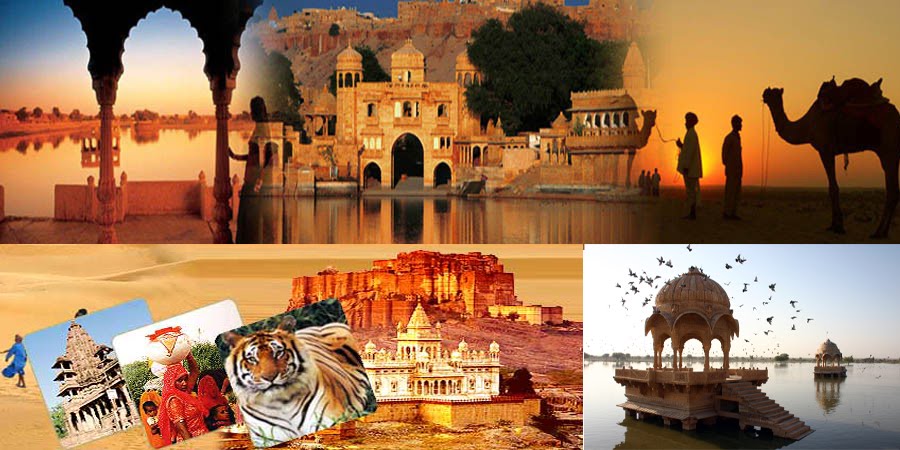
Rajasthan, the largest state of India, is renowned for its rich history, royal heritage, and magnificent architecture. Known as the “Land of Kings,” Rajasthan is a treasure trove of historical places that reflect the bravery, culture, and grandeur of the Rajput rulers. From massive forts perched on hilltops to elegant palaces and ancient temples, Rajasthan’s historical monuments attract tourists from all over the world and play a vital role in the state’s tourism industry.
Forts: Symbols of Power and Valor
The forts of Rajasthan are among its most iconic historical attractions. Amber Fort in Jaipur, built with red sandstone and marble, showcases a blend of Hindu and Mughal architecture. Mehrangarh Fort in Jodhpur rises dramatically above the blue city and houses palaces, courtyards, and a museum displaying royal artifacts. Jaisalmer Fort, also known as the Golden Fort, is a UNESCO World Heritage Site and one of the few living forts in the world, with homes, temples, and shops inside its walls. These forts narrate stories of battles, sacrifice, and royal pride.
Palaces: Glimpses of Royal Lifestyle
Rajasthan’s palaces reflect the luxurious lifestyle of its former rulers. The City Palace of Udaipur, overlooking Lake Pichola, is a beautiful complex of courtyards, balconies, and museums. Hawa Mahal in Jaipur, with its unique honeycomb façade, was designed for royal women to observe street life without being seen. Umaid Bhawan Palace in Jodhpur, one of the world’s largest private residences, combines Indo-Saracenic architecture with modern influences. Many of these palaces have been converted into heritage hotels, enhancing tourism while preserving history.
Temples and Religious Heritage
Rajasthan is also home to several ancient temples that hold great historical and religious significance. The Dilwara Jain Temples in Mount Abu are famous for their exquisite marble carvings and architectural brilliance. The Brahma Temple in Pushkar is one of the very few temples in the world dedicated to Lord Brahma, making it a unique pilgrimage site. Temples such as Eklingji near Udaipur and Ranakpur Jain Temple showcase Rajasthan’s spiritual heritage and artistic excellence.
Historic Cities and Towns
Several cities in Rajasthan are living museums of history. Jaipur, the capital city, is a UNESCO World Heritage City known for its planned layout and historic monuments. Udaipur, often called the “City of Lakes,” is admired for its romantic palaces and scenic beauty. Bikaner is famous for Junagarh Fort, while Chittorgarh is known for its massive fort associated with Rajput valor and the story of Rani Padmini. These cities attract history lovers, photographers, and cultural tourists alike.
Stepwells, Havelis, and Other Monuments
Apart from forts and palaces, Rajasthan boasts unique historical structures such as stepwells (baoris) and havelis. Chand Baori in Abhaneri is one of the deepest and most impressive stepwells in India. The havelis of the Shekhawati region, including Mandawa and Nawalgarh, are decorated with beautiful fresco paintings that depict mythological scenes and colonial influences. These lesser-known sites are increasingly popular among heritage tourists.
Role of Historical Tourism in Rajasthan
Historical places are the backbone of Rajasthan’s tourism industry. They generate employment, support local artisans, and promote cultural preservation. Festivals, light-and-sound shows, guided heritage walks, and museum tours enhance the tourist experience. Government initiatives and UNESCO recognition have further boosted Rajasthan’s position as a leading heritage tourism destination.
Best Time to Visit
The best time to explore Rajasthan’s historical places is from October to March, when the weather is pleasant. Summers can be extremely hot, while winters are ideal for sightseeing and cultural festivals.



0 comments:
Post a Comment