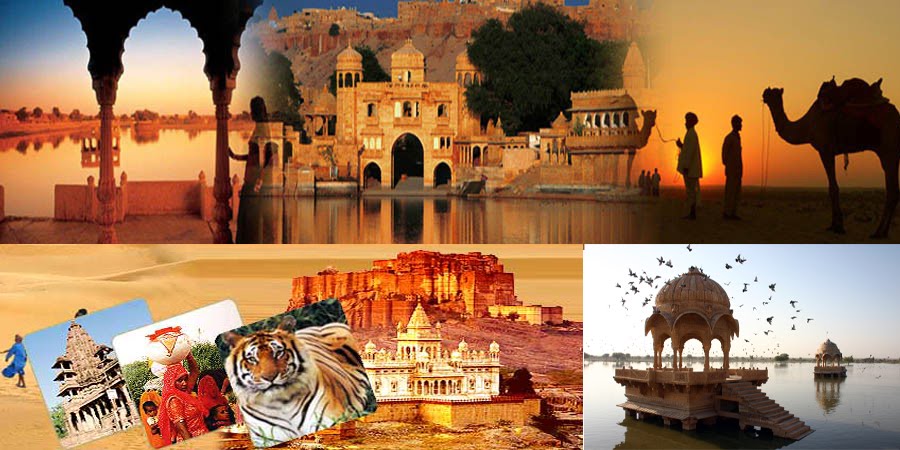
Ranthambore Heritage Tourism: History, Culture and Nature

Ranthambore Heritage Tourism offers a fascinating combination of history, architecture, culture, and wildlife in one of the most remarkable destinations of Rajasthan. Located in Sawai Madhopur district, Ranthambore is widely known for its national park and tiger safaris. However, the region also has a rich historical heritage, ancient temples, impressive fortifications, and traditional villages that make it an interesting destination for cultural travelers.
The most important heritage attraction in the region is the Ranthambore Fort, dramatically located on a hill surrounded by forests and rocky landscapes. The fort has a long and fascinating history and was an important stronghold of the Chauhan rulers. Over the centuries, it witnessed battles and political changes involving several powerful dynasties. Today, its massive walls, gateways, temples, palaces, and ruins provide an insight into the architectural and cultural history of medieval Rajasthan.
A visit to Ranthambore Fort is not only about exploring its historical structures. The elevated location provides beautiful views of the surrounding forests, lakes, and hills. The combination of ancient architecture and natural scenery gives the fort a distinctive character and makes it one of the most interesting heritage sites in Rajasthan.
Religious heritage is another important part of Ranthambore tourism. The Trinetra Ganesh Temple, located within the historic fort complex, is one of the best-known religious sites in the area. Devotees from different parts of India visit the temple throughout the year. Its spiritual importance, traditional rituals, and historical setting make it an interesting stop for visitors exploring Ranthambore's heritage.
Ranthambore also provides opportunities to experience the traditional culture of rural Rajasthan. Villages around Sawai Madhopur reflect the lifestyle of local communities, with traditional houses, handicrafts, regional food, and everyday customs. Exploring these areas can help visitors understand the relationship between local communities and the natural environment.
One of the unique features of Ranthambore Heritage Tourism is the opportunity to combine cultural sightseeing with wildlife experiences. The Ranthambore National Park is one of India's best-known wildlife destinations and is particularly famous for its Bengal tiger population. The park is also home to leopards, sambar deer, spotted deer, crocodiles, numerous bird species, and other wildlife.
The presence of the historic fort within the surrounding natural landscape creates a remarkable setting. During a safari, visitors may see ancient ruins and the fort rising above the forests and hills. This close connection between heritage and wildlife makes Ranthambore different from many other historical destinations in Rajasthan.
Photography is another popular activity in the region. The fort walls, ancient temples, forest landscapes, lakes, and rocky hills provide a variety of subjects. Early mornings and late afternoons are particularly enjoyable for photography because of the pleasant light and atmospheric surroundings.
Local cuisine is also an important part of the cultural experience. Restaurants and hotels around Sawai Madhopur serve a variety of traditional Rajasthani dishes. Dal baati churma, gatte ki sabzi, bajra roti, ker sangri, and other regional preparations allow travelers to experience the distinctive flavors of Rajasthan.
The best time to explore Ranthambore depends on the activities planned during the visit. The cooler months are generally comfortable for sightseeing and exploring the fort. Travelers primarily interested in wildlife should also check the national park's operating season and safari conditions before planning their trip. Summers can be very hot, while the monsoon season brings changes to the landscape and park access.
Ranthambore is conveniently included in several Rajasthan travel itineraries. It can be combined with Jaipur, Pushkar, Agra, and Delhi, making it a suitable stop for travelers exploring northern India. Sawai Madhopur is well connected by railway and road, allowing visitors to reach the destination from several major cities.
A heritage-focused itinerary can begin with a visit to Ranthambore Fort, followed by the Trinetra Ganesh Temple and other nearby cultural attractions. Travelers can then enjoy a wildlife safari in the national park and explore local markets or villages around Sawai Madhopur. Spending two or three days in the region provides enough time to experience both its historical and natural attractions.
In conclusion, Ranthambore Heritage Tourism offers much more than a wildlife safari. Its historic fort, ancient temples, local traditions, rural culture, and spectacular natural surroundings create a memorable travel experience. For travelers who want to combine Rajasthan's history and heritage with wildlife and nature, Ranthambore is an excellent destination to include in a Rajasthan holiday.