Wednesday, 10 September 2025

Published 11:00:00 pm by with 0 comment

Jammu and Kashmir: A Land Between Beauty and Turmoil


Jammu and Kashmir, the northernmost region of India, is a land of breathtaking beauty, cultural richness, and spiritual heritage. Its landscapes range from the towering peaks of the Himalayas to the tranquil lakes and lush valleys, earning it the title of "Paradise on Earth." Yet, behind this picturesque façade lies a story marked by political instability, conflict, and the struggle of its people to live in peace. The dual identity of the region—beauty juxtaposed with turmoil—has defined Jammu and Kashmir for decades.

History of Jammu and Kashmir 

History contains a lot of changes in Jammu and Kashmir, which is the historically developed region. It has links to Buddhism and Hinduism, and is as old as those religions, becoming one of the largest spiritual and cultural centers. But its cultural significance only rose to a different perspective when Islam came in the 14th century.

Linked in this context is the Dogra dynasty that emerged in the middle nineteenth century and consolidated the region in terms of a state that was a princely one but enjoyed a certain measure of autonomy even if under British paramountcy. The first problem was Indo – Pakistani conflict and territorial issues; the second and major problem was that the state was not peaceful after gaining Indian independence in 1947 when the Maharaja joined India.

Another such move which got the region’s attention changed in August 2019 when the Indian government removed the special status of the region under article 370 of the Indian constitution. As a result, Jammu and Kashmir was divided into two Union Territories: Ladakh and Jammu and Kashmir. Then finally a separate administrative status was given to Ladakh. This transformation has impacted both regions and their governance as well as their dynamics, and the discussions on security, development and autonomy will remain of significance for them for the foreseeable future.

Popular Tourist Destinations in Jammu and Kashmir


Srinagar

The city of astonishing beauty and timeless serenity, Srinagar is the heaven on earth nestled in the breezing surrounding of Jammu and Kashmir and is sure to mesmerize the five senses. Apart from pretty houseboats on Dal and Nigeen Lakes, the tourists can glaze at the endearing reflections of the surrounding mountains. It is located in the valley beside the Jhelum River and is considered to be the top tourist place to visit in Jammu and Kashmir. These beautiful gardens with tile work, pretty flowers and well-designed terraces give the feeling of the royal heritage of the city. Several parts of the city come alive with the heady aroma of Kashmiri saffron as well as spices while the local markets that include Srinagar are overflowing with handmade products like carpets, Mongolian papier-mâché painting products and so on and pashmina shawls.

Gulmarg

Fascinating the tourists with its otherworldly charm, Gulmarg is the best place to visit in Jammu and Kashmir which is nestled in the middle of Jammu & Kashmir which is a pure jewel. Famously called the “Meadow of Flowers” this beautiful hill station is a paradise for every nature enthusiast and adventurous! As for the summer, the magnificent flowers are accompanied by the hills and mountains of snow combinations. In winter, with its incredibly great slides and snowy white coat, Gulmarg hits the global map of prominent skiing spots in Asia. As the largest cable car, Gulmarg Gondola takes visitors to the top to provide a breathtaking view of the surroundings. The beauty in its beautiful locations but also in the serene ambience makes it a perfect vacation for those who are ready for an adventure and seeking tranquility in the gem of India.

Pahalgam

Pahalgam is also an ideal place for family and friends trips due to its beautiful environment and calm-oriented atmosphere among the beautiful regions. Tripping to the hill station of Pahalgam is a renowned district for shepherds, so guests who love the outdoors will love this place. This creates a popular tourist attraction in Jammu and Kashmir because it boasts sloping meadows, glistening streams, and snow-capped mountains. This is a laid-back area of Kashmir that even whilst hikers are through the Aru and Betaab Valley, going horse riding, or simply admiring the surroundings – the place is calm and untouched. This is because the town has a religious component to the Amarnath Yatra in that it serves as a popular halting point.

Sonmarg 


Sonmarg, an unspoiled jewel in the crown of Jammu and Kashmir, has earned the name “The Meadow of Gold’ because of its enchanting beauty that lures tourists throughout the year. Established at a height of about 2700 meters it is covered with snow-capped mountains, elongated green meadows, and clear alpine water streams. Sindh River flows through Sonmarg, redefining the beauty of the locales, overlooking valleys with green landscapes which turn into an off-beat summer resort and a snow paradise in the winter season though popular for snowboarding and skiing. Due to its natural unspoilt beauty, tranquility, and scenic beauty, Sonmarg is always a preferred place by nature lovers, trekkers, and lovers of adventure. From here begins the trek to several beautiful high-altitude lakes, vishansar, krishansar and Gadsar. The second popular site is Thajiwas Glacier which can offer going snow sleighing and a beautiful view of mountains with a layer of ice. Standing 2730 meters above sea level Sonmarg makes it a must-visit place in Jammu and Kashmir and a perfect holiday destination for those who are interested in trekking and sightseeing.

Vaishno Devi

Hold in reverence by the people of India and abroad equally and also one of the holiest temples of Hindus, Vaishno Devi is a shrine located in the Trikuta Mountains of Jammu and Kashmir that plays a vital role in religious tourism in Jammu and Kashmir. Devotees climb the 12-kilometre road from Katra, singing the hymns of the Goddess and the spirit is not just traveling physically but also spiritually. The three pins (natural rock formations) in the sacred cave, thought to be the dwelling of Maa Vaishno Devi, represent the divine forces of the Goddess in her three forms: Sakti or destructive, Adi parashakti or creative power and Buddhi or wisdom power Aadi Shakthi, Maha Kali, Maha Lakshmi, and Maha Saraswati.

Top Things to Do on a Jammu and Kashmir Tour

Lakes

In Jammu & Kashmir, India’s most scenic and serene lakes can be visited: every lake offers a different way to feel nature. Famous for its multiple colourful floating markets and recognizable houseboats, Dal Lake in Srinagar is called the “Jewel in the Crown of Kashmir. Overlooking the snow-capped Zabarwan Mountains and nestled amongst the beautiful Dal Lake, a very peaceful, fascinating boat ride in Shikara is a popular point of interest. There is the less famous Manasbal Lake which is considered one of the deepest in Kashmir and most recommended for birding and serenity far from the usual popular tourist spots.

 Gardens

Many of India’s most beautiful gardens might be located only in Jammu and Kashmir, which adds both natural beauty and richness to the region. These marvelous Mughal gardens, which were planned to synchronize with the landscape, are one of the finest and best things to do in Jammu and Kashmir. A few examples of this architectural mastermind are Shalimar Bagh, Nishat Bagh, and Chashme Shahi at Srinagar. These gardens are located in Mughal-era gardens in the city on the backdrop of Dal Lake, having the Himalayas in the backdrop with terraced lawns, fountains, and flower beds. These gardens attract tourists in search of tranquility as well as closeness to the marvelous creations of nature, the much-needed colorful floral vacations throughout the seasons, and the greenish foliage.

 Trekking & Hiking

Trekking is one of the major tourist attractions for anybody who chooses adventurous tourism in Jammu and Kashmir. It is an opportunity to begin the exploration of untouched areas, complex topography, and magnificent mountain chains in this region. The state is established for adventurers and environmental lovers; this state has some of the most stunning and challenging trekking trails in the Himalayas. The Tarsar Marsar Trek is particularly famous for the two glittering lakes, while the Great Lakes Base Trek offers the opportunity to move through high alpine lakes, snow-clad hills, and meadows. These hikes enable you to get a bird-eye view, or the eagle’s view of the countryside, and also a taste of the culture and hospitality of the people, as many of these trails take you through the communities and the trails.

 Bird Watching

One of the unique exposures that let tourists get completely absorbed into the sightseeing of the incredible natural wonders and the diverse species of life forms in Jammu and Kashmir is bird viewing. Just 30 kilometers away from Srinagar visitors get the best known Dachigam National Park which is a place that shelters diverse bird species including the golden eagle and the elusive Himalayan Monal as well as Hangul, an endangered sort of deer. The wetlands of Hokersar and Wular lake provide excellent opportunities to see migratory birds; especially during winter; for the more sedentary visitor you may observe large groups of migratory ducks and geese.

 Shopping

The market of Jammu and Kashmir is filled with many traditional arts and crafts products exhibiting the richness of the region’s culture and trade in the crowded markets. To enjoy the beauty of Pashmina shawls, people can visit the famous Lal Chowk in Srinagar or Raghunath Bazaar in Jammu and buy real warm and tender handmade Pashmina shawls. Another need is the sleek exquisite carpets from Kashmir, present-day complex pieces of art, workmanship woven into generations, and decades of craftsmanship. While wandering around the colourful markets, one can find very beautiful embroidered clothes, such as the pheran garment, for which it is worth buying souvenirs of the trip.


Best Time to Visit Jammu and Kashmir 

September to November is the autumn season, and the Chinar trees shed most of their red and orange leaves at this time; overall, it’s golden in the region. It’s quite peaceful, and the weather is fine for photographers and those interested in wildlife spectacles during this time of the year.

Actually, the best time to visit Jammu & Kashmir is debatable for those interested in the warmer months as well as for the tourists who prefer the winter season snow. However, every season possesses its own kind of beauty.

 How to Reach Jammu and Kashmir?

  • By Road : Just as exciting is to travel by car, especially if one is an aficionado of an adventurous type. These beautiful teases and thrilling views are perhaps available on the highways approaching from neighboring states like Punjab or Himachal Pradesh. Still, one should be aware of the climate, especially in the winter because the snow covers the roads.
  • By Air : Srinagar Airport is the principal entry point to this wonderful destination; thus, air is the most commonly used mode of transport. Tourists can get to Srinagar right away with domestic airlines from the main cities such as Delhi, Mumbai, and Chandigarh. This fantastic flight prepares you for your stay by offering fantastic views of the mountain ranges of the Alps.
  • By Train : The nearest railway station of consequence is Jammu Tawi Railway Station. One can quickly get to Jammu before proceeding to the rest of Kashmir because it has very central connectivity to other domains in the country. It takes approximately 270 km on your car or a bus from Jammu to Srinagar city. Crazy rolling hills and picturesque villages are waiting for the traveller, and the journey does not take into account the beauty of the road at all.
 

Read More
      edit
Published 4:47:00 am by with 0 comment

The Majestic Amber Fort: Jewel of Jaipur

 Amer Fort:Exploring the Rich History of Jaipur's Crown Jewel

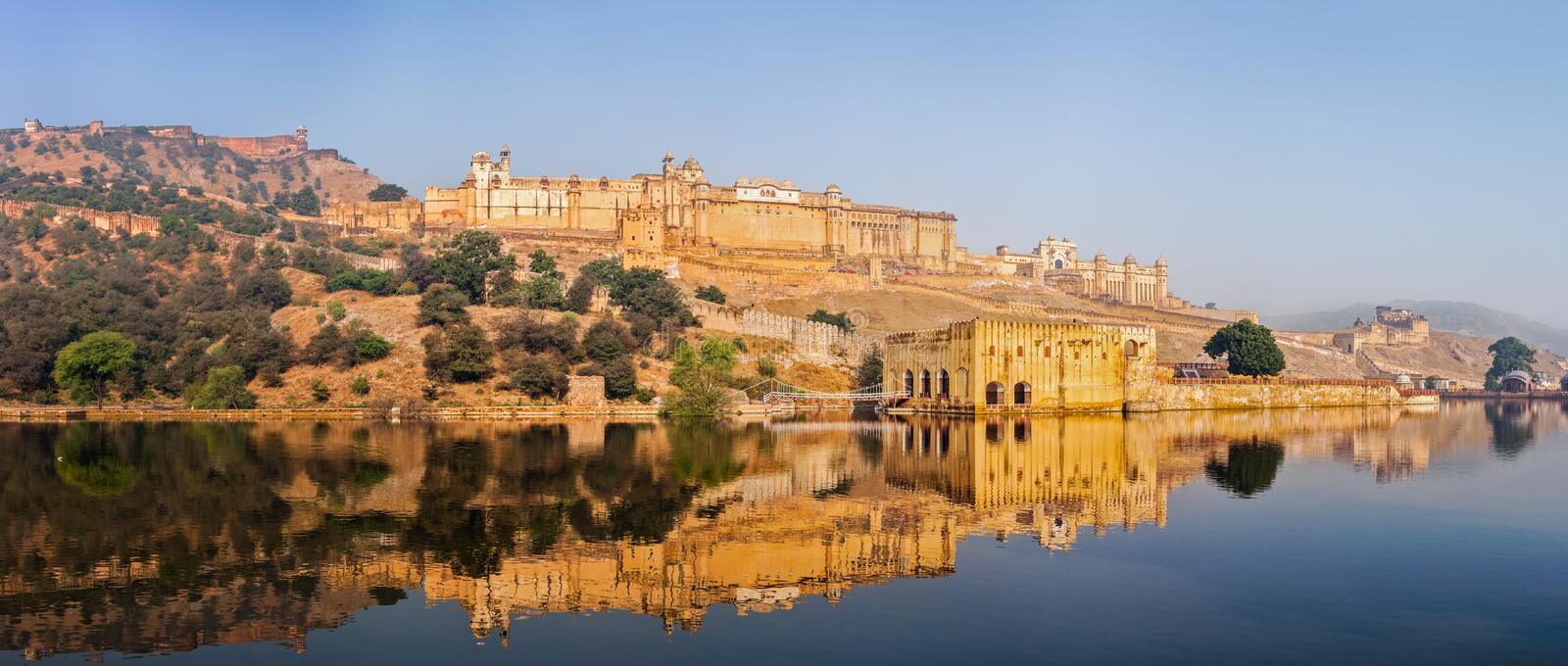
Amer Fort, also known as Amber Fort, is a majestic fort located in the town of Amer, just 11 kilometers from Jaipur, Rajasthan. Built with a combination of red sandstone and white marble, the fort stands on a hill and is an excellent example of Rajput and Mughal architecture. Overlooking the Maota Lake, the fort offers a stunning reflection in the water, making it a breathtaking sight, especially at sunrise and sunset. The fort is known for its artistic elements, including ornate gateways, beautiful courtyards, carved pillars, mirror work, and frescoes.

The construction of Amer Fort was started in 1592 by Raja Man Singh I, a trusted general in Emperor Akbar’s army. Later, his descendant Raja Jai Singh I made significant additions and improvements to the structure. The fort is divided into four main sections, each with its own courtyard. The main entrance, Suraj Pol (Sun Gate), leads to the first courtyard, known as Jaleb Chowk, where the royal army would assemble. From here, a grand staircase leads up to the second courtyard, which houses the Diwan-e-Aam or Hall of Public Audience.

One of the most popular attractions inside the fort is the Sheesh Mahal or Mirror Palace. This hall is beautifully decorated with thousands of mirror tiles and colored glasses that reflect light in stunning patterns. Another highlight is the Sukh Niwas, a room designed to remain cool even during the scorching summers by using water channels and scented air circulation. The fort also includes the Diwan-e-Khas (Hall of Private Audience), where the king would meet important guests and ministers.

In addition to its royal halls and palaces, Amer Fort also has a temple dedicated to Shila Devi, a form of Goddess Durga, which holds significant religious value. The fort complex is connected to the nearby Jaigarh Fort through a hidden underground passage, which was used as an escape route during enemy attacks. Today, Amer Fort is one of the most visited tourist attractions in Rajasthan and was declared a UNESCO World Heritage Site in 2013 as part of the group “Hill Forts of Rajasthan.” The fort's historical significance, architectural brilliance, and scenic surroundings make it a must-visit destination for history lovers, architecture enthusiasts, and travelers alike.

History of Amer Fort

Jaipur's Amber Fort: The Complete Guide

The history of Amer Fort is deeply rooted in the legacy of the Kachwaha Rajput dynasty. The region of Amer was originally ruled by the Meena tribe before it was taken over by the Kachwahas in the 10th century. The early capital of the Kachwaha rulers was Amer, and they ruled from here for several centuries before shifting the capital to Jaipur in the 18th century.

The construction of the present-day Amer Fort was started by Raja Man Singh I in 1592. He was one of the nine gems in the court of Emperor Akbar and played a crucial role in Mughal campaigns. He chose the site of Amer, nestled in the Aravalli Hills and protected by natural terrain, as an ideal location for building a grand fort. The initial structure laid by Man Singh was relatively modest, but over time, his descendants, especially Raja Jai Singh I and Sawai Jai Singh II, expanded and beautified the fort with Mughal-style gardens, marble decorations, and artistic embellishments.

Amer Fort served as both the military stronghold and the royal residence of the Kachwaha rulers. Its architecture reflects the opulence and sophistication of the Rajput lifestyle, with features like intricately carved jharokhas (balconies), courtyards, and temple shrines. The fort also had strong fortifications to withstand attacks and housed soldiers and elephants in large numbers.

One of the unique aspects of the fort is the Sheesh Mahal or Mirror Palace, where the walls and ceilings are inlaid with thousands of small mirrors. Legend says that just one candle lit in the Sheesh Mahal could illuminate the entire room due to the mirror reflections. Another key part of the fort is the Sukh Niwas, where a water-driven air-cooling system kept the rooms comfortable during the hot summer months.

The Shila Devi Temple inside the fort is also of historical and spiritual importance. Raja Man Singh brought the idol of the goddess from Jessore in Bengal after a military victory. The temple sees thousands of devotees during the Navratri festival each year.

As the city of Jaipur developed under Sawai Jai Singh II in the early 18th century, the capital was officially moved from Amer to Jaipur. However, Amer Fort continued to be a symbol of Rajput pride and cultural richness. In modern times, it has become one of the most iconic tourist destinations in India. The fort is beautifully lit in the evenings, and sound and light shows are conducted to narrate its rich history to visitors.

In 2013, Amer Fort was recognized by UNESCO as part of the Hill Forts of Rajasthan World Heritage Site. Despite the challenges of time and nature, the fort stands tall and majestic, preserving the legacy of a glorious past.

Nearby Tourist Attractions in Amer

Jaigarh Fort:

Visit the Jaigarh Fort in Jaipur | Incredible India

Situated above Amer Fort, Jaigarh was built for military defense. It houses the world's largest cannon on wheels, Jaivana. The fort offers stunning panoramic views and has underground tunnels connecting it to Amer, used in times of war or emergency escape.

Nahargarh Fort:

Located on the Aravalli Hills, Nahargarh Fort overlooks Jaipur city. It was built by Sawai Jai Singh II in 1734. The fort once acted as a retreat for the royal family and now offers beautiful sunset views and scenic beauty.

Kanak Vrindavan Garden:

Kanak Vrindavan Jaipur: Serenity in Nature | Incredible India

A beautifully maintained garden complex, built in a valley surrounded by hills. It features fountains, marble walkways, and temples dedicated to Lord Krishna. It is a peaceful and green retreat away from the city crowd.

Maota Lake:

Located at the base of Amer Fort, Maota Lake was the main water source for the fort. It also has a small garden island known as Kesar Kyari. The lake’s reflection of the fort is a sight to behold, especially at sunrise.

Jagat Shiromani Temple:

This historic temple is dedicated to Meera Bai and Lord Krishna. Built in the early 17th century, it showcases intricate carvings and Rajput temple architecture. It is located very close to Amer Fort and holds religious as well as historical importance.

Panna Meena ka Kund:

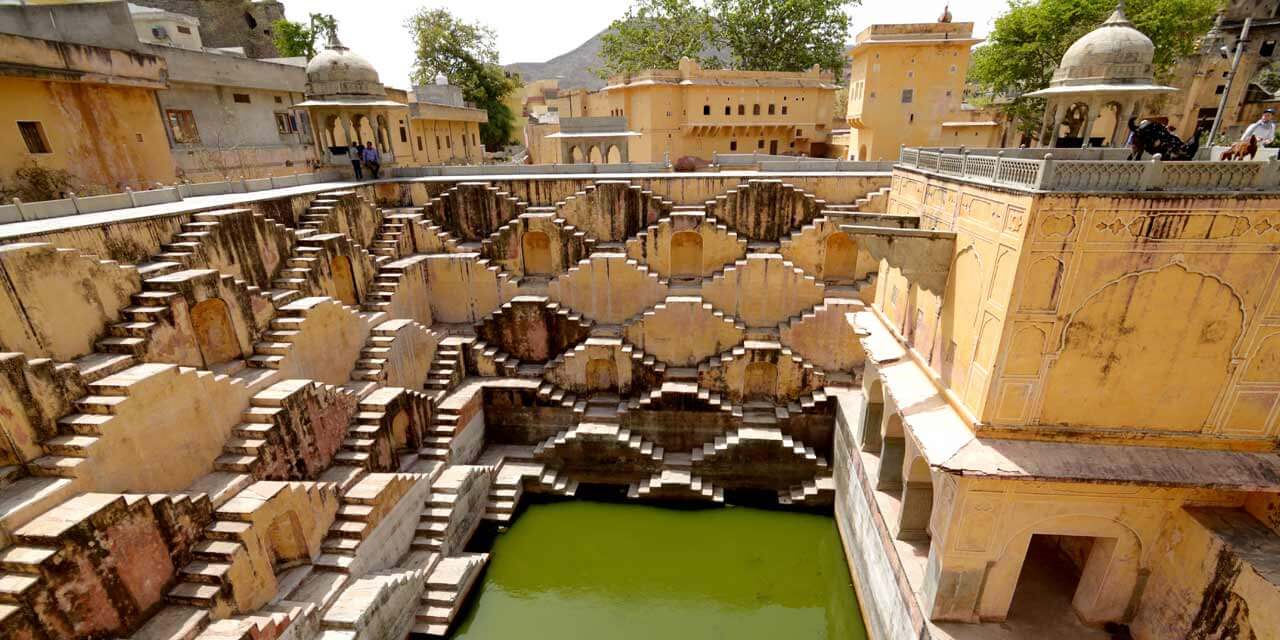
पन्ना मीना का कुंड जयपुर, भारत (प्रवेश शुल्क, समय, इतिहास, निर्माता, चित्र  और स्थान) - जयपुर पर्यटन 2025

This is a stepwell near Amer Fort built in the 16th century. It was used for water storage and community gatherings. Its symmetric staircases and architectural beauty make it a favorite spot for photography and tourist visits.

Jal Mahal:

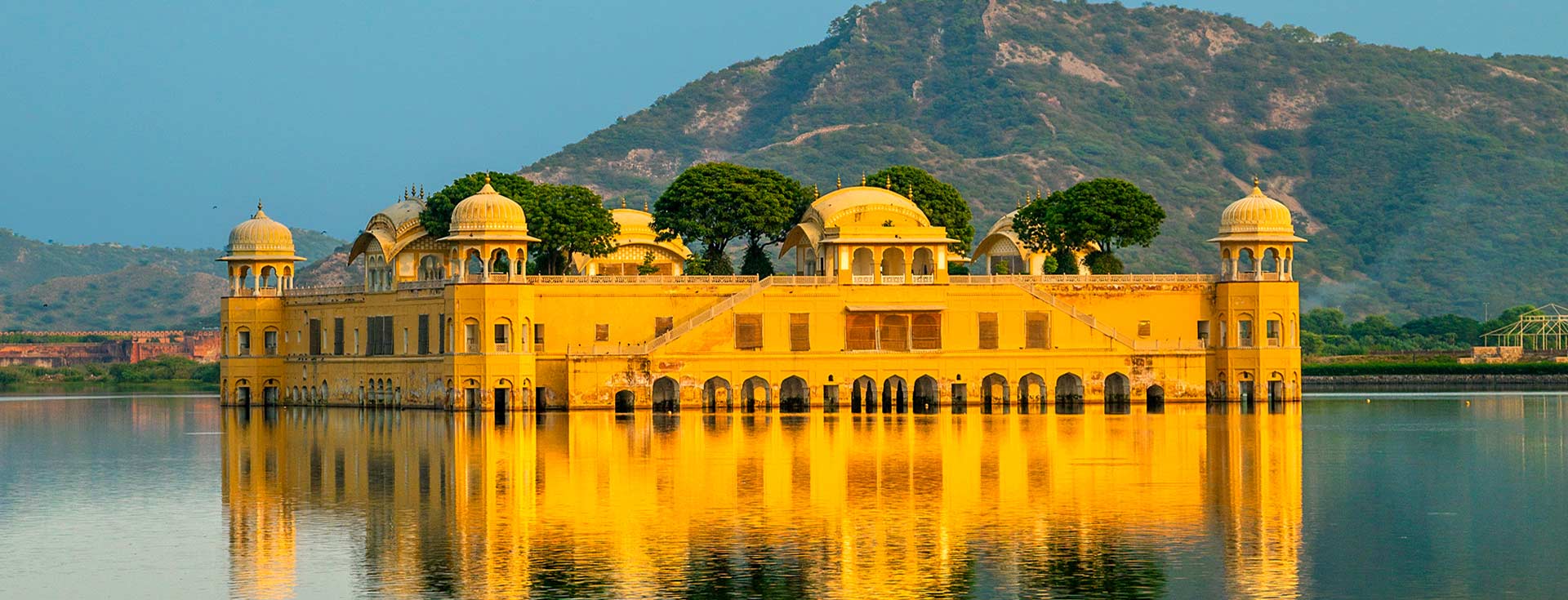
Jal Mahal | The Leela Palaces Hotels and Resorts

Built in the middle of Man Sagar Lake, Jal Mahal is a five-storey palace, with four floors submerged underwater. Although entry is restricted, it can be admired from the roadside. It's especially beautiful during sunset.

Shopping

Though Amer Fort doesn’t have a big market, nearby shops sell traditional Rajasthani handicrafts, paintings, textiles, silver jewelry, and miniature souvenirs. Jaipur city is just 30 minutes away and offers bustling markets like Johari Bazaar and Bapu Bazaar where you can buy block-printed fabrics, mojaris, bangles, and decorative home items.

How to Reach Amer :

By Air:
The nearest airport is Jaipur International Airport, located about 20 km from Amer. From the airport, you can hire a taxi or use app-based cab services (like Ola or Uber) to reach the fort in approximately 30–40 minutes.

By Train:
The closest railway station is Jaipur Junction, about 13 km from Amer. From the station, you can take an auto-rickshaw, taxi, or bus to reach the fort. Jaipur is well connected by train to major cities like Delhi, Mumbai, and Agra.

By Road:

  • Take a local bus from Jaipur city (buses run from Ajmeri Gate, Hawa Mahal, or MI Road).
  • Hire a private taxi or auto-rickshaw.
  • Use jeep services for a royal-style ride up to the fort.
  • If driving yourself, Amer is about 30 minutes from central Jaipur via NH-248.
Read More
      edit

Friday, 29 August 2025

Published 4:42:00 am by with 0 comment

Jodhpur – La Ciudad Azul de Rajastán

Jodhpur – La Ciudad Azul de Rajastán

Situada al borde del desierto de Thar, Jodhpur es una ciudad cautivadora que combina historia real, cultura rica, esplendor arquitectónico y el encanto del desierto. A menudo llamada la “Ciudad Azul” debido a las casas pintadas de azul vibrante en el casco antiguo, Jodhpur es uno de los destinos más icónicos de Rajastán. Fue la capital del reino de Marwar y aún hoy mantiene el aura de su pasado real a través de sus grandiosos palacios, majestuosos fuertes y tradiciones atemporales.

Ya seas un entusiasta de la historia, amante de la cultura, fotógrafo o simplemente un viajero en busca de experiencias auténticas en la India, Jodhpur ofrece algo para todos. Este artículo explora los mejores lugares para visitar, cómo llegar a la ciudad y por qué merece un lugar en el itinerario de todo viajero.

1. Fuerte de Mehrangarh

Dominando la ciudad desde una colina rocosa, el Fuerte de Mehrangarh es uno de los fuertes más grandes e impresionantes de la India. Construido en el siglo XV por Rao Jodha, el fundador de Jodhpur, el fuerte ofrece vistas panorámicas de la ciudad. Sus enormes murallas, tallados intrincados, patios reales y museos con armas, palanquines, trajes y pinturas lo convierten en una visita obligada. Su grandeza refleja tanto el poder militar como el gusto artístico de los gobernantes rajputs.


2. Jaswant Thada

Ubicado a poca distancia del Fuerte Mehrangarh, Jaswant Thada es un sereno cenotafio de mármol construido en memoria del Maharajá Jaswant Singh II. Conocido como el "Taj Mahal de Marwar", este monumento destaca por sus delicados trabajos en mármol y jardines tranquilos. Es un lugar ideal para la reflexión y la fotografía.

3. Palacio Umaid Bhawan

Este magnífico palacio es una de las últimas grandes residencias reales construidas en India antes de la independencia. Una parte del palacio todavía es hogar de la familia real, mientras que otra parte funciona como hotel de lujo. También hay un museo abierto al público con artefactos, autos antiguos y recuerdos reales. La arquitectura del palacio mezcla estilos orientales y occidentales, lo que lo convierte en una joya visual.

4. Torre del Reloj y Mercado Sardar

Ubicado en el corazón del casco antiguo, el bullicioso mercado Sardar, cerca de la icónica Torre del Reloj, es una delicia sensorial. Desde especias, artesanías y textiles hasta dulces tradicionales de Rajastán, este mercado ofrece un verdadero sabor de la vida local. Pasear por sus estrechas calles llenas de colores y aromas es toda una experiencia.

5. Jardines de Mandore

A pocos kilómetros de Jodhpur, Mandore fue la antigua capital de la región de Marwar. Los jardines albergan cenotafios bellamente esculpidos, templos y un pequeño museo. Es un sitio tranquilo y perfecto para escapar del bullicio urbano.

6. Toorji Ka Jhalra (Pozo Escalonado)

Este pozo escalonado del siglo XVIII ha sido restaurado y es un ejemplo sobresaliente de la arquitectura tradicional del agua. Antiguamente fuente de agua potable, hoy es popular por su simetría y atmósfera fresca. Hay cafés cercanos que ofrecen excelentes vistas del lugar.

7. Parque de Roca del Desierto Rao Jodha

Este proyecto de restauración ecológica se encuentra al pie del Fuerte de Mehrangarh y exhibe plantas nativas del desierto y senderos escénicos. Ideal para amantes de la naturaleza y para quienes desean aprender sobre la ecología local.

8. Lago Balsamand

Un lago tranquilo rodeado de jardines y edificios históricos. El Palacio cercano, que fue residencia de verano de los reyes, agrega encanto al lugar. Es perfecto para un picnic o una tarde relajante.


Cómo Llegar a Jodhpur

Jodhpur está bien conectada con las principales ciudades de la India y se puede llegar por aire, tren o carretera.

 Por Aire: Jodhpur cuenta con un aeropuerto nacional ubicado a unos 5 km del centro. Hay vuelos diarios desde ciudades como Delhi, Mumbai, Jaipur y Ahmedabad. Es una opción cómoda y rápida para llegar.

 Por Tren: Jodhpur forma parte de la extensa red ferroviaria india. Está conectada con ciudades como Delhi, Mumbai, Calcuta, Chennai y Jaipur. El trayecto ofrece paisajes pintorescos del campo y el desierto. Hay trenes expresos y superrápidos disponibles. La estación está ubicada en una zona céntrica.

 Por Carretera: También es posible llegar en coche o autobús. Jodhpur está a unos 600 km de Delhi, 330 km de Jaipur y 250 km de Udaipur. Hay autobuses regulares operados por servicios públicos y privados. Conducir por cuenta propia también es una opción atractiva para disfrutar del viaje y hacer paradas en el camino.


Mejor Época para Visitar

La mejor época para visitar Jodhpur es entre octubre y marzo, cuando el clima es agradable. Los veranos (abril a junio) son muy calurosos, con temperaturas que superan los 40°C. El monzón (julio a septiembre) trae algo de alivio, pero también lluvias ocasionales.


Read More
      edit

Monday, 14 July 2025

Published 3:00:00 am by with 0 comment

Garadia Mahadev Temple Visit, Kota – A Scenic Drive to Divinity

                            Garadia Mahadev Temple Visit, Kota – A Scenic Drive to Divinity


Nestled on a stunning cliffside overlooking the Chambal River, the Garadia Mahadev Temple is one of Rajasthan’s most breathtaking hidden gems. Located around 25 kilometers from Kota

The drive to Garadia Mahadev from Kota city is short and smooth, taking around 45 minutes by private car. The route offers a pleasant mix of countryside roads, forested areas, and occasional wildlife sightings. The final stretch leading to the temple cuts through the Mukundra Hills Tiger Reserve, making the journey especially picturesque and adventurous.

The Temple and Its Significance

Garadia Mahadev is a small Shiva temple perched on a cliff nearly 500 feet above the Chambal River. While the temple structure itself is modest, its location is what makes it special. Dedicated to Lord Shiva, it is a popular site among devotees, especially during Mahashivratri and Mondays in the holy month of Sawan.

Many believe the site has divine energy, and locals often visit to offer prayers and enjoy the peaceful surroundings

The river meanders through lush green valleys, forming a horseshoe bend that’s often compared to the Grand Canyon of the U.S. This breathtaking view has made Garadia Mahadev a favorite among photographers, Instagrammers, and nature lovers.

Sunrise and sunset are particularly magical here. As the sunlight hits the red cliffs and reflects on the river, the entire landscape transforms into a painting. It’s a perfect place to sit quietly

kota monuments

Things to Keep in Mind

  • Entry Fee: There is a nominal fee for vehicles entering the area (as it's part of the forest reserve).

  • Timings: Best visited between 8 AM and 5 PM. Entry is restricted after dark.

  • Facilities: Limited. Carry water and snacks; there are no cafes or restrooms nearby.

  • Safety: The cliffs are steep and have minimal fencing — exercise caution, especially with children.


Read More
      edit

Saturday, 5 July 2025

Published 12:24:00 am by with 0 comment

Nahargarh biological park by car


Nahargarh Biological Park


Nahargarh Biological Park is a part of the Nahargarh Sanctuary, lying along the Jaipur-Delhi highway. It rests in the foothills of the Aravalli Range. This biological park is an excellent wildlife and nature lover's paradise as it covers about 7.2 square kilometers of land. It offers an experience where one can observe the varieties of flora and fauna existing in their natural surroundings in this well-preserved biological park. It aims at conserving wildlife while educating visitors about protecting and preserving India's rich biodiversity. If you want to witness this biological park and any other place in Jaipur, then our Jaipur tour packages are personalised to bring peace and serenity, all blending with nature, adventure, and culture.

What is biological park?

An area of land, declared as public property by the government. These areas of land are reserved for environmental conservation and the protection of species. Animals here are adaptive to the environment in terms of physiology, anatomy, and behavior.

Construction of Nahargarh Biological Park, Jaipur

The park was inaugurated by CM Vasundhara Raje along with Mayor Nirmal Nahata and head officers from the forest department and RSRDC.

The construction of this biological park is done using granite rocks and hard metamorphic rock, consisting of interlock quartz crystals.

There is a dry, dense, and tropical rainforest, where a lot of animals can be spotted, including lions, tigers, leopards, etc. 

The Biological Park is maintained by the Govt. of Rajasthan, and they are doing a great job in terms of cleanliness and maintenance in order to attract tourists and visitors.

Flora and Fauna of Nahargarh Biological Park


It also has a variety of flora and fauna. Mostly the flora consists of the forest with dense trees and other bushes, which supports varied bird and animal life. There is a diverse type of fauna, including dangerous carnivores, herbivores, and many kinds of birds. If you are willing to witness the flora and fauna of Jaipur and other places located in Jaipur, then we have several tour packages, including same day Jaipur tour packages, at cheap and affordable rates.

1. Animal Species

It is famous for its several majestically housed species, which include tigers, leopards, Asiatic lions, and panthers. Deer, wild boar, sloth bears, and crocodiles are also commonly found here. The park has also gained much importance among birdwatchers, as it attracts a wide range of resident and migratory birds in the park, making it even more ecologically rich.

2. Flora and Natural Habitat

The vegetation here is of native species that are suitable for the semi-arid climate of Rajasthan. The lush green surroundings, intermingled with rocky terrain and water bodies, create a thriving ecosystem for the diverse wildlife.

Key Highlights of Nahargarh Biological Park


The park has some attractions that make it a must-visit destination:

1. Safari Tours 

There are guided safari tours for the visitors who want to experience the wildlife of the park. It is an excellent opportunity for visitors to view animals in their natural habitats. The tour is thrilling and informative since the guides inform the visitors about the species found in the park and the various conservation programs implemented.

2. Conservation and Breeding Programs

Nahargarh Biological Park breeds endangered species. This park is a major source of biodiversity conservation. Some of the animals that require protection are the Asiatic lion and Bengal tiger.

3. Bird Diversity 

The park boasts a great number of bird species, so it is sure to thrill any bird lover. Ranging from colourful peacocks to rare migratory birds, the park will provide an experience in watching birds like no other. Well-maintained aviaries are also part of the attraction, demonstrating the commitment of the park towards avian conservation.

Visitor Information and Facilities

Nahargarh Biological Park offers the visitors a variety of facilities to make their visit worthwhile. The park has well-maintained pathways, signboards, and information centers to educate the tourists about the wildlife and conservation efforts. The park also has a cafeteria, seating areas, and restroom facilities for the convenience of visitors.

Best Time to Visit

One of the best times to visit Nahargarh Biological Park is within the cooler months of the year, that is, between October to March. In these months, the days are cool and animals mostly move around during the earlier mornings and later afternoons, increasing the opportunities for wildlife spotting.

Main Attractions Near Nahargarh Biological Park

There are also several other places to visit in Jaipur that are near the Nahargarh Biological Park:

 
Amber Fort
It is world heritage site located nearby, treat to be visited since it really shows the pride of Rajput architecture.
 
Jaigarh Fort
Jaigarh Fort is again another very close fort with lot of history attached to it; in fact, India's biggest canon, Jaivana, is housed inside this fort.
 
Nahargarh Fort
Very historic and very beautiful as a monument of architecture, the Nahargarh Fort is situated close by. From the fort, one could see a very panoramic view of Jaipur city.
 
Kanak Vrindavan Gardens
A very green garden around Amber Fort. A beautiful place where one can leisurely amble among nature.
 
Man Sagar Lake.
This picture-perfect palace is ideal for photography and unwinding. It is located centrally in Man Sagar Lake.

Read More
      edit

Thursday, 26 June 2025

Published 4:31:00 am by with 0 comment

Rajasthan travel tour with guidence

Travel Rajasthan, India – Journey Through the Land of Kings 

Rajasthan, the “Land of Kings,” is a realm of timeless traditions, grand palaces, and landscapes that span golden deserts, vibrant cities, and serene lakes. Situated in northwestern India, it is the largest Indian state by area and one of the most culturally rich regions of the country. Traveling through Rajasthan is like wandering through a living museum, where ancient forts whisper stories of valor, and colorful turbans, soulful folk music, and mouthwatering cuisine fill every corner with life.

This comprehensive guide presents the best of Rajasthan and why it’s a must-visit destination for every traveler seeking history, heritage, culture, and adventure.


1. Jaipur – The Pink City


The capital city of Rajasthan, Jaipur, is the ideal gateway to explore the state. Nicknamed the Pink City because of its rose-tinted buildings, it offers a blend of regal splendor and urban energy.

Must-Visit Attractions:

  • Amber Fort: A majestic hilltop fort that showcases Rajput architecture, intricate mirror work, and elephant rides.

  • Hawa Mahal (Palace of Winds): A stunning five-story facade with 953 small windows, built for royal women to observe street festivals.

  • City Palace: A complex of courtyards, gardens, and museums still home to the royal family.

  • Jantar Mantar: A UNESCO World Heritage Site, this astronomical observatory from the 18th century features the world’s largest stone sundial.

What to Do:

  • Stroll through the local bazaars like Johari and Bapu Bazaar for gemstones, handicrafts, and textiles.

  • Attend a traditional Rajasthani dinner with folk performances at Chokhi Dhani.


2. Jodhpur – The Blue City


Jodhpur lies on the edge of the Thar Desert and is dominated by the imposing Mehrangarh Fort. Known as the Blue City due to its blue-painted houses, Jodhpur is full of narrow lanes, vibrant markets, and royal history.

Must-Visit Attractions:

  • Mehrangarh Fort: One of India’s largest forts, it offers panoramic views and a deep dive into Rajputana valor.Jaswant Thada: A marble cenotaph surrounded by gardens and lakes.

  • Umaid Bhawan Palace: A still-occupied royal palace and heritage hotel, one wing is a museum.

What to Do:

  • Explore the local markets near the Clock Tower for spices, antiques, and hand-dyed fabrics.

  • Sample laal maas (spicy mutton curry), mirchi vadas, and makhaniya lassi.


3. Udaipur – The City of Lakes


Udaipur, often dubbed the Venice of the East, is arguably the most romantic city in Rajasthan. Surrounded by the Aravalli Hills and dotted with lakes, Udaipur is a perfect blend of nature and regal elegance.

Must-Visit Attractions:

  • City Palace: Overlooking Lake Pichola, the palace complex is a blend of Rajasthani and Mughal architecture.

  • Lake Pichola: Home to the iconic Lake Palace, now a luxury hotel.

  • Jag Mandir and Saheliyon Ki Bari are perfect for sunset strolls.

What to Do:

  • Enjoy a sunset boat ride on Lake Pichola.

  • Visit the local miniature painting schools.

  • Dine at rooftop restaurants with a lake view.


4. Jaisalmer – The Golden City


In the heart of the Thar Desert lies Jaisalmer, a city built from golden sandstone. Its medieval charm, camel rides, and desert camping make it one of Rajasthan’s most magical experiences.

Must-Visit Attractions:

  • Jaisalmer Fort: One of the few living forts in the world, still inhabited by locals.

  • Patwon Ki Haveli and Salim Singh Ki Haveli: Intricately carved merchant mansions.

  • Gadisar Lake: A tranquil spot surrounded by temples.

What to Do:

  • Camel safari in Sam or Khuri dunes, followed by Rajasthani folk dances under the stars.

  • Stay overnight in desert camps – from luxury tents to rustic setups.


5. Bikaner – The Camel Country


Bikaner, known for its camel breeding and spicy snacks, is a less-explored gem. Its blend of architectural marvels and unique temples attracts history lovers and curious travelers alike.

Must-Visit Attractions:

  • Junagarh Fort: A fort that has never been conquered, it houses stunning palaces and museums.

  • Karni Mata Temple: Known as the Rat Temple, where thousands of rats are revered.

  • National Research Centre on Camel: Learn about different camel breeds and enjoy camel milk ice cream

What to Do:

  • Try Bikaneri bhujia and local sweets like rasgullas.

  • Explore local bazaars for lacquer bangles and woolen shawls.


6. Pushkar – The Sacred Town


Pushkar is a holy town centered around Pushkar Lake and famous for the Brahma Temple – one of the few in the world. The town is also renowned for its annual Pushkar Camel Fair, held in November.

Must-Visit Attractions:

  • Brahma Temple: A unique temple dedicated to Lord Brahma.

  • Pushkar Lake: Surrounded by ghats and temples, it is a serene spiritual experience.

  • Savitri Temple: Located on a hilltop, it offers panoramic views of the town.

What to Do:

  • Shop for silver jewelry, embroidered clothes, and musical instruments.


  • Enjoy fusion cafes and yoga retreats around the lake.


7. Mount Abu – The Hill Station

Rajasthan’s only hill station, Mount Abu, provides a refreshing break from the arid plains. With lush forests, cool climate, and spiritual sites, it attracts both honeymooners and pilgrims.

Must-Visit Attractions:

  • Dilwara Jain Temples: Renowned for their intricate marble carvings.

  • Nakki Lake: Ideal for boating and evening strolls.

  • Guru Shikhar: The highest point in Rajasthan.

What to Do:

  • Visit Peace Park for meditation.

  • Hike the trails around Mount Abu Wildlife Sanctuary.


8. Ranthambore – The Tiger Territory


Located in Sawai Madhopur, Ranthambore National Park is one of India’s premier tiger reserves. It combines the thrill of a safari with historical intrigue thanks to the Ranthambore Fort.

What to Do:

  • Jeep safari or canter ride to spot tigers, leopards, and other wildlife.

  • Visit the fort within the park, offering panoramic views and ancient ruins.

  • Photography enthusiasts will love the dramatic scenery.


When to Visit Rajasthan

  • Best Time: October to March – pleasant weather, ideal for sightseeing and safaris.

  • Festivals to Witness:

    • Desert Festival in Jaisalmer (February)

    • Pushkar Camel Fair (November)

    • Teej and Gangaur Festivals (March–April in Jaipur)

    • Diwali in Udaipur and Jaipur – a truly royal affair.


Cuisine of Rajasthan

Rajasthan’s cuisine is a treat for foodies. Influenced by scarcity of water and extreme climates, it’s rich in flavors and spice.

Must-Try Dishes:

  • Dal Baati Churma

  • Laal Maas (spicy meat curry)

  • Ker Sangri (desert beans & berries)

  • Ghewar, Mawa Kachori, and Mohanthal (for dessert lovers)


Travel Tips

  • Clothing: Cotton clothes for summer, layers for winter nights, and conservative attire for temples.

  • Transport: Hiring a car with a driver is the most comfortable way to explore.

  • Shopping: Bargain in local markets, and buy from government emporiums for authentic products.

  • Stay: Choose between heritage hotels, desert camps, homestays, and budget hostels – Rajasthan caters to all.


Read More
      edit

Wednesday, 4 June 2025

Published 4:42:00 am by with 0 comment

luxury travel rajasthan tour


Rajasthan Travel Tour India: A Journey Through the Royal Lan

Rajasthan, often called the "Land of Kings," is one of India’s most culturally rich and visually captivating destinations. Nestled in the northwestern part of India, this majestic state invites travelers into a vibrant tapestry of forts, palaces, deserts, lakes, traditions, and legends. A Rajasthan travel tour is not just a holiday—it’s an experience that spans centuries of royal legacy, colorful festivals, spiritual traditions, and timeless architecture.

1. The Essence of Rajasthan

Rajasthan is India in its most iconic form—camels walking across sand dunes, majestic palaces rising from desert plains, turbaned men and women draped in vivid saris, ancient forts echoing with history, and colorful bazaars brimming with handicrafts and spices.

From the golden sands of Jaisalmer to the romantic lakes of Udaipur, from the regal forts of Jaipur to the blue lanes of Jodhpur, Rajasthan embodies the grandeur of a bygone era. The state is home to several UNESCO World Heritage Sites and is a key part of the famous Golden Triangle Tour(Delhi, Agra, Jaipur).


2. Top Tourist Destinations in Rajasthan

Jaipur – The Pink City

Jaipur, the capital of Rajasthan, is the gateway to the state. Famous for its rose-hued buildings, Jaipur boasts stunning landmarks like:

  • Amber Fort: A hilltop fort with majestic halls and scenic views.

  • City Palace: A blend of Rajput, Mughal, and European styles.

  • Hawa Mahal: The Palace of Winds, an iconic façade with 953 windows.

  • Jantar Mantar: An astronomical observatory and a UNESCO World Heritage Site.

  • Bazaars: Johari Bazaar and Bapu Bazaar are famous for textiles, jewelry, and handicrafts.

Udaipur – The City of Lakes

Known as the most romantic city in India, Udaipur enchants with its lakes and royal heritage:

  • Lake Pichola: Take a sunset boat ride to admire the shimmering waters and the Lake Palace.

  • City Palace: Overlooking the lake, this is one of the largest palaces in Rajasthan.

  • Jag Mandir and Jagdish Temple: Icons of Mewar architecture and spirituality.

  • Saheliyon ki Bari: A historic garden with fountains and marble art.

Jodhpur – The Blue City

Located on the edge of the Thar Desert, Jodhpur is dominated by the massive Mehrangarh Fort, one of the most formidable forts in India. Explore:

  • Umaid Bhawan Palace: A part-hotel, part-museum royal residence.

  • Clock Tower Market: A vibrant bazaar for spices, textiles, and antiques.

  • Old City: Painted in shades of blue, the lanes are ideal for walking tours.

Jaisalmer – The Golden City

A mesmerizing desert city, Jaisalmer rises like a golden mirage in the Thar Desert. Key experiences include:

  • Jaisalmer Fort: A living fort with homes, shops, and temples inside.

  • Desert Safari: Camel or jeep rides across Sam and Khuri dunes.

  • Patwon Ki Haveli: Ornate mansions showcasing sandstone carving.

  • Cultural Shows: Folk dances and music around a desert campfire.

Bikaner – The Desert Jewel

Bikaner is known for its camel research center, spicy snacks, and red sandstone forts:

  • Junagarh Fort: A majestic and well-preserved complex of palaces.

  • Karni Mata Temple: Also known as the Rat Temple.

  • Bhandasar Jain Temple: A beautifully painted temple with rich frescoes.

Pushkar – The Spiritual Town

A tranquil town centered around a holy lake, Pushkar is famous for:

  • Brahma Temple: One of the few temples dedicated to Lord Brahma.

  • Pushkar Lake: A sacred pilgrimage site for Hindus.

  • Pushkar Camel Fair: A colorful annual livestock fair and cultural event.

Ranthambore – The Wildlife Frontier

One of India’s premier wildlife destinations, Ranthambore National Park is famous for its tiger sightings, ancient ruins, and scenic lakes. The park also features:

  • Ranthambore Fort: A UNESCO World Heritage Site.

  • Safaris: Jeep and canter safaris offer glimpses of tigers, leopards, sloth bears, and more.


3. Unique Experiences in Rajasthan

Stay in a Palace Hotel

Live like royalty in heritage hotels such as:

  • Taj Lake Palace, Udaipur

  • Rambagh Palace, Jaipur

  • Umaid Bhawan Palace, Jodhpur

These properties offer world-class hospitality wrapped in royal elegance.

Desert Camping in Jaisalmer

Spend a night under the stars in luxury tents, complete with folk music, dance performances, and traditional cuisine.

Shopping in Local Bazaars

Rajasthan is a shopper’s paradise. Look for:

  • Hand-embroidered textiles

  • Bandhani and Leheriya fabrics

  • Blue pottery

  • Kundan and Meenakari jewelry

  • Camel leather goods

Savor Rajasthani Cuisine

Taste the flavors of the desert with dishes like:

  • Dal Baati Churma

  • Laal Maas

  • Gatte ki Sabzi

  • Ker Sangri

  • Rajasthani thali – a full platter of regional delicacies


4. Cultural Festivals and Events

Rajasthan’s calendar is filled with vibrant festivals:

  • Desert Festival, Jaisalmer: Held in February, features camel races, folk performances, and traditional competitions.

  • Teej and Gangaur, Jaipur: Women celebrate monsoon festivals with great fervor.

  • Pushkar Camel Fair: A unique blend of livestock trading, competitions, and cultural programs.

  • Mewar Festival, Udaipur: Celebrates the arrival of spring with processions and folk shows.

  • Rajasthan International Folk Festival (RIFF), Jodhpur: Held in Mehrangarh Fort, showcases global music with a Rajasthani twist.


5. Best Time to Visit

  • October to March is the most favorable time to visit Rajasthan when the weather is pleasant.

  • Summer (April to June) is very hot, especially in desert regions, but good for off-season discounts.

  • Monsoon (July to September) brings greenery and lesser crowds, making places like Udaipur especially picturesque.


6. Getting There and Around

  • By Air: Major cities like Jaipur, Udaipur, and Jodhpur have airports with connections to Delhi, Mumbai, and other metros.

  • By Train: Rajasthan is well-connected by rail. Palace on Wheels offers a luxury rail journey through Rajasthan.

  • By Road: A well-maintained highway network connects Rajasthan with Delhi, Agra, Gujarat, and Madhya Pradesh.

  • Car Rentals & Tours: Hiring a private vehicle with a driver is a popular way to explore Rajasthan at your own pace.


7. Sustainable and Responsible Travel Tips

  • Respect local customs and dress modestly, especially in temples and rural areas.

  • Avoid using plastic; carry reusable bottles and bags.

  • Choose eco-friendly stays and locally-owned accommodations.

  • Support local artisans by buying authentic handmade crafts.


Read More
      edit