Jodhpur, Jaisalmer, and Bikaner: Discovering the Royal Desert Trail of Rajasthan

Rajasthan’s desert cities offer some of the most iconic and atmospheric travel experiences in India. The journey through Jodhpur, Jaisalmer, and Bikaner takes travelers deep into the heart of the Thar Desert, revealing majestic forts, golden sand dunes, vibrant markets, and centuries-old traditions. This classic route showcases the royal heritage and resilient spirit of desert life.
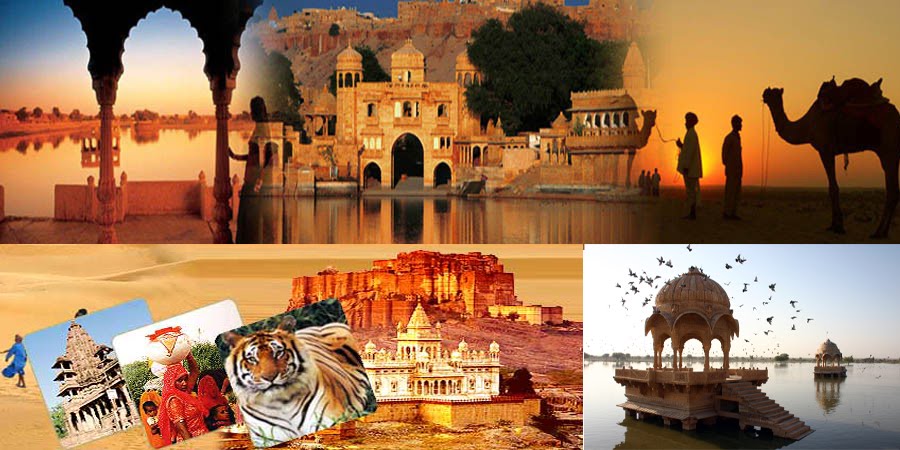
Jodhpur, famously known as the Blue City, is often the starting point of this desert trail. The city is dominated by the impressive Mehrangarh Fort, perched high on a rocky hill. One of the largest and best-preserved forts in India, Mehrangarh offers panoramic views of the blue-painted houses below. Inside, visitors can explore richly decorated palaces, royal courtyards, and an excellent museum displaying weapons, textiles, and artifacts from the Marwar dynasty.
At the foot of the fort lies Jodhpur’s old town, a maze of narrow lanes filled with bustling markets, temples, and local eateries. The Sardar Market near the Clock Tower is a lively spot to experience daily life and shop for spices, handicrafts, and traditional footwear. Another must-visit site is Jaswant Thada, a serene marble cenotaph surrounded by gardens and lakes, often described as the “Taj Mahal of Marwar.”
Traveling westward, the landscape gradually becomes more arid as you reach Jaisalmer, the legendary Golden City. Rising from the sands of the Thar Desert, the Jaisalmer Fort is a UNESCO World Heritage Site and one of the few living forts in the world. Built entirely of golden sandstone, it glows spectacularly at sunset. Within its walls are ancient Jain temples, historic homes, small hotels, and artisan shops that preserve the city’s medieval charm.
Outside the fort, Jaisalmer is famous for its beautifully carved havelis, including Patwon Ki Haveli, Salim Singh Ki Haveli, and Nathmal Ki Haveli. These merchant mansions reflect the prosperity of the city during its days as a trading hub on the Silk Route. No visit to Jaisalmer is complete without experiencing the Thar Desert safari. Camel rides across the dunes of Sam or Khuri, cultural performances, and overnight stays in desert camps under a star-filled sky are unforgettable highlights of the journey.
The final destination on this route is Bikaner, a lesser-known yet culturally rich desert city. Bikaner is home to the magnificent Junagarh Fort, an architectural masterpiece built in the 16th century. Unlike most forts in Rajasthan, Junagarh is not situated on a hill, but its massive walls and lavish interiors make it equally impressive. Inside, visitors can admire ornate palaces, mirrored halls, painted ceilings, and historical exhibits that reflect the city’s royal past.
Bikaner is also known for its unique spiritual sites, particularly the Karni Mata Temple in nearby Deshnoke, often referred to as the Rat Temple. Thousands of sacred rats roam freely within the temple complex, and spotting a white rat is considered a sign of good fortune. Though unusual, the temple offers a fascinating insight into local beliefs and traditions.
Food lovers will find this route especially rewarding. The cuisine of Jodhpur, Jaisalmer, and Bikaner reflects the desert environment, with bold flavors and inventive use of local ingredients. Popular dishes include dal baati churma, ker sangri, gatte ki sabzi, and spicy meat curries such as laal maas. Bikaner is particularly famous for its Bikaneri bhujia, a crunchy snack enjoyed across India.
Traveling through Jodhpur, Jaisalmer, and Bikaner is more than just sightseeing—it is a journey into Rajasthan’s royal legacy, desert landscapes, and living traditions. From towering forts and golden dunes to vibrant bazaars and timeless hospitality, this desert trail offers an unforgettable experience for travelers seeking history, culture, and adventure in one remarkable region of India.



0 comments:
Post a Comment